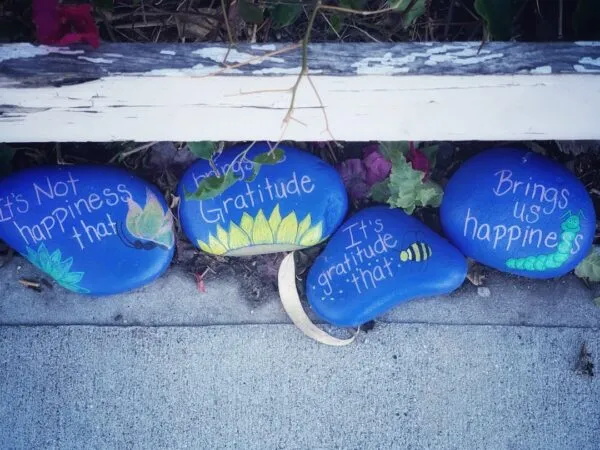
Gratitude, at its core, is not a passive feeling that washes over you incidentally. Instead, you discover that it is a deliberate and active choice. It is a conscious decision you make each day to acknowledge and appreciate the good that exists in your life, regardless of its magnitude. This perspective shifts gratitude from an ephemeral emotion to a cultivated habit, a tool you can wield to shape your experience of the world. You will find that approaching gratitude as a daily commitment is not about ignoring difficulties, but rather about cultivating a resilient and appreciative disposition that empowers you to navigate challenges with greater equanimity.
Understanding gratitude as a daily choice is fundamental to building and sustaining a positive mindset. Your internal landscape, much like a garden, requires consistent cultivation to flourish. Without intentional effort, it can become overgrown with weeds of complaint, worry, and dissatisfaction. Gratitude serves as the gardener's careful tending, weeding out the negativity and nurturing the growth of appreciation and optimism.
Shifting Focus from Scarcity to Abundance
You often find your attention drawn to what you lack, to the perceived deficiencies in your life. This scarcity mindset can feel like a persistent shadow, obscuring the present blessings. By actively choosing to practice gratitude, you deliberately redirect your focus. You begin to actively scan your environment and your experiences for things to be thankful for. This is not about denial of hardships, but about broadening your perspective to encompass the full spectrum of your reality, acknowledging both the challenges and the countless elements that are working in your favor. This shift from scarcity to abundance is a powerful mechanism for recalibrating your emotional state. You are essentially training your brain to seek out and recognize the positive, much like a prospector trains their eye to find gold in a riverbed.
Breaking Poor Habits and Embracing Lifestyle Changes
The influence of gratitude extends beyond mere positive thinking; it has a tangible impact on your ability to enact positive change in your life. Research indicates that cultivating a sense of gratitude can bolster your capacity for self-discipline and motivation, crucial components for breaking detrimental habits. When you are in the habit of appreciating what you have, you are less likely to seek fleeting comforts or distractions that often lead to negative behaviors. For instance, if you are grateful for your health, you may be more inclined to make choices that preserve it, such as exercising regularly or eating nutritious foods. This is not simply a consequence of feeling good; it is a more deeply embedded motivational force. Your appreciation for positive outcomes becomes a stronger driver than the temporary gratification offered by destructive patterns. You begin to see that the long-term rewards of positive lifestyle changes are far more fulfilling than the immediate, but ultimately hollow, solace found in negative habits.
Enhancing Goal Achievement Through Daily Appreciation
The practice of gratitude has been empirically linked to improved success in achieving personal and professional goals. This effect is not accidental; it stems from the way gratitude influences your perception, motivation, and resilience. When you consistently choose to acknowledge what is going well, you build a psychological foundation that is more conducive to sustained effort and a positive outlook towards challenges.
The Power of a 40% Greater Chance of Success
Studies have shown that individuals who regularly engage in gratitude practices, such as maintaining a gratitude journal, exhibit a significantly higher likelihood of achieving their goals. Specifically, this increased chance can be as much as 40%. This statistic is not a mere correlation; it suggests a causal link. Your consistent acknowledgment of progress, however small, creates a positive feedback loop. Each small success you recognize fuels your motivation to pursue larger objectives. It's like taking a small step forward and celebrating that step; it makes the next step seem less daunting and more achievable. This continuous reinforcement builds momentum, making you more persistent when faced with obstacles. The underlying mechanism is that your brain is constantly being reinforced with evidence of your capability and the positive outcomes of your efforts, rather than solely focusing on the distance yet to be covered.
Building Momentum Through Acknowledging Progress
When you are striving towards a significant goal, the journey can often feel protracted and arduous. It is easy to become discouraged by the perceived slowness of progress. This is where the daily choice of gratitude becomes a powerful ally. By consciously taking stock of the progress you have already made, you build momentum. You are not waiting for the ultimate destination to feel a sense of accomplishment; you are finding it in the incremental steps. For example, if you are learning a new skill, you can express gratitude for the new concept you understood today, or for the improved coordination you achieved in a practice session. This consistent acknowledgment prevents burnout and sustains your engagement. It acts as a fuel source for your ambition, ensuring that even on days when the larger goal seems distant, you have reasons to feel encouraged and driven. This is the essence of transforming daunting aspirations into navigable pathways.
The Multifaceted Impact on Mental and Physical Well-being
The benefits of making gratitude a daily choice are not confined to abstract psychological states; they permeate your physical health and mental clarity. This reciprocal relationship between appreciation and well-being underscores the profound impact of this seemingly simple practice.
Cultivating Mental Clarity and Focus
You will find that a regular gratitude practice sharpens your mental acuity. When you are habitually looking for things to be thankful for, you develop a more observant and present mindset. This enhanced awareness allows you to detect subtle positive nuances in your environment and your interactions that might otherwise pass you by. This heightened perception contributes to improved focus because you are less likely to be distracted by ruminations on negative experiences. Instead, your mind is conditioned to identify and dwell on the positive, creating a more stable and clear mental landscape. Think of it as clearing away mental clutter. When you acknowledge good things, you are essentially tidying up your mental space, allowing for more efficient processing of information and a greater capacity for concentration.
Boosting Overall Positivity and Emotional Resilience
The cumulative effect of daily gratitude is a significant increase in overall positivity. This is not a superficial happiness, but a more robust and enduring sense of well-being. When you consistently acknowledge the good, you build a reservoir of positive emotions. This reservoir serves as a buffer against the inevitable stresses and adversies of life. Your capacity for emotional resilience is enhanced because you have a well-developed habit of drawing on positive experiences and perspectives. When faced with a setback, you are already primed to find silver linings and to remember past instances of overcoming difficulties. This doesn't mean you are immune to negative emotions, but you are better equipped to process them without becoming overwhelmed, returning to a more balanced emotional state more rapidly. It is akin to having a sturdy anchor that keeps you steady in turbulent seas.
Tangible Physical Health Improvements
The impact of gratitude is not solely psychological; it has been observed to contribute to tangible improvements in physical health. Research has indicated that individuals who practice gratitude regularly tend to experience fewer physical symptoms, such as headaches and digestive issues. They may also report sleeping better and feeling more energized. The mechanisms behind these physical benefits are multifaceted. Chronic stress and negative emotions have well-documented detrimental effects on the body. By reducing stress and fostering positive emotions, gratitude can indirectly alleviate these physiological burdens. Furthermore, a positive outlook can influence health-seeking behaviors. For example, individuals who feel more grateful may be more proactive in managing their health and seeking medical advice when needed. It creates a virtuous cycle where improved mental well-being translates into better physical care and outcomes.
Redirecting Negative Patterns and Building Emotional Awareness
One of the most powerful applications of gratitude as a daily choice is its capacity to interrupt and redirect ingrained negative thought patterns. You will discover that this practice is not about suppressing negativity, but about consciously choosing to shift your attention and reframe your experiences.
Recognizing and Re-framing Negative Thoughts
The first step in redirecting negative patterns is developing the awareness to recognize them. Your brain, especially when experiencing stress or disappointment, can fall into habitual loops of negative thinking. Gratitude journaling, for instance, provides a structured opportunity to pause and identify these patterns. As you write down things you are thankful for, you implicitly contrast them with the negative thoughts that might have occupied your mind previously. This contrast helps you see that the negative perspective is not the only, or necessarily the most accurate, interpretation of your situation. You learn to consciously choose to re-frame your experiences. Instead of focusing on the perceived failure of a project, you might express gratitude for the lessons learned, the effort you put in, or the support you received. This re-framing is a cognitive restructuring that allows you to extract value and positivity from situations that might otherwise be perceived as purely negative. You are not denying the difficulty, but acknowledging the potential for growth and learning within it.
Developing Emotional Awareness and Control
By regularly engaging in gratitude practices, you cultivate a deeper understanding of your own emotional landscape. This increased emotional awareness is crucial for effective self-regulation. When you are more attuned to your emotional state, you can better identify the triggers for negative feelings. As you practice gratitude, you consciously choose to steer your emotional compass towards appreciation, even when faced with challenging circumstances. This deliberate redirection strengthens your emotional muscles. Over time, you develop a greater capacity to manage your emotions rather than being managed by them. This is not about forced happiness, but about developing the skill to consciously influence your emotional responses by focusing your attention on what is good and meaningful. It is like learning to steer a ship in rough waters; you cannot control the waves, but you can learn to adjust the sails and navigate them effectively.
Building Resilience Against Future Challenges
The consistent practice of redirecting negative patterns through gratitude builds profound resilience. Each time you consciously choose to appreciate something in the face of adversity, you are reinforcing your capacity to withstand future challenges. You are essentially training your mind to find the light even in the darkest of times. This resilience is not an innate trait for everyone, but a skill that can be developed. By consistently challenging your default negative responses with intentional gratitude, you are constructing an inner fort of strength. This fort is not impervious to the storms of life, but it provides a stable and secure refuge, allowing you to weather difficulties with greater fortitude and a quicker return to a state of well-being. You become less susceptible to the paralyzing effects of negativity and more capable of proactive problem-solving.
Making Gratitude a Sustainable Daily Practice
The transition from understanding the benefits of gratitude to consistently implementing it requires a structured approach. Recognizing that gratitude is a conscious choice is the first step; making it a sustainable daily practice involves strategic integration into your routine.
The Importance of Intentionality and Consistency
You will find that the effectiveness of gratitude lies not in sporadic moments of appreciation, but in its consistent and intentional application. This means actively deciding to practice gratitude each day, rather than waiting for a feeling of thankfulness to arise spontaneously. Consistency is the key that unlocks the cumulative benefits. Sporadic bursts of gratitude are like a quick splash of water on a parched plant; it provides temporary relief but does not foster deep-rooted growth. Daily, intentional practice, however, is akin to regular watering, allowing the roots of appreciation to deepen and strengthen over time. This commitment transforms gratitude from a fleeting feeling into a foundational element of your daily life.
Practical Strategies for Daily Gratitude
To make gratitude a sustainable daily practice, you can employ several practical strategies that fit seamlessly into your routine.
- Gratitude Journaling: This involves dedicating a few minutes each day to write down a few things you are thankful for. This can be as simple as listing three things or elaborating on one. The act of writing solidifies the thoughts and makes them more concrete.
- Mindful Moments: Throughout your day, consciously pause and acknowledge something you are grateful for. This could be the taste of your morning coffee, the warmth of the sun, a kind word from a colleague, or the functioning of your body. These micro-moments of gratitude can be woven into your existing activities.
- Gratitude Prompts: If you find yourself struggling to identify things to be thankful for, use prompts to guide your thinking. These could be questions like, "What skill am I thankful for today?" or "What person in my life am I grateful for?"
- Expressing Gratitude to Others: Actively telling people you appreciate them is a powerful way to reinforce your own sense of gratitude and to spread positivity. This can be done in person, through a text message, or a handwritten note.
- Gratitude Meditations: Many guided meditations focus specifically on cultivating gratitude. Regularly listening to these can help to deepen your sense of thankfulness and integrate it on a subconscious level.
By incorporating these strategies, you are not adding a burdensome task to your day, but rather weaving a thread of appreciation into the fabric of your existence. It is a continuous process of refinement, finding what works best for you and adapting as needed. The goal is not perfection, but persistent engagement.
FAQs
What does it mean to say gratitude is a daily choice?
Gratitude as a daily choice means actively deciding each day to focus on and appreciate the positive aspects of life, rather than taking them for granted or focusing on negatives.
How can practicing gratitude daily benefit mental health?
Daily gratitude practice can improve mental health by reducing stress, increasing feelings of happiness, enhancing emotional resilience, and promoting a more positive outlook on life.
What are some simple ways to incorporate gratitude into daily life?
Simple ways include keeping a gratitude journal, verbally expressing thanks to others, reflecting on positive experiences each day, and setting reminders to pause and appreciate small moments.
Is gratitude linked to physical health improvements?
Yes, research suggests that regular gratitude practice can lead to better sleep, lower blood pressure, and a stronger immune system, contributing to overall physical well-being.
Can gratitude be cultivated even during difficult times?
Yes, choosing to find and acknowledge things to be grateful for during challenging periods can help build resilience and provide emotional support, making it a valuable practice regardless of circumstances.