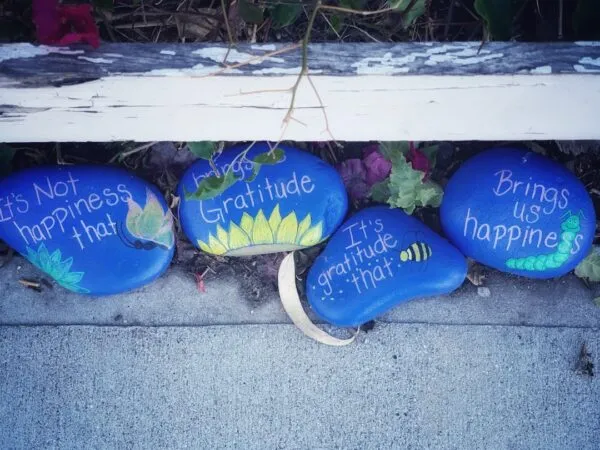
You understand that a mere feeling of thankfulness, while pleasant, is distinct from a life philosophy. Gratitude, as a philosophical approach, transcends fleeting emotion, instead offering a structured lens through which you perceive and interact with the world. This enduring perspective, a practice you can cultivate, reconfigures your internal landscape, influencing everything from neurological pathways to social interactions. You will discover that this is not a naive optimism, but a pragmatic tool for navigating the complexities inherent in existence.
You might initially perceive gratitude as an intermittent feeling, a response to a positive event. However, the philosophical application of gratitude involves its deliberate cultivation, transforming it into a pervasive intellectual and emotional state. This is not about ignoring difficulties, but rather about consciously shifting your focal point.
Overcoming Depression and Shifting Perspective
Consider the advice from Judy Wilkins-Smith, who posits gratitude as a philosophy capable of overcoming depression. You understand that depression often entraps you in a cycle of negative rumination. A gratitude philosophy, in contrast, actively dislodges you from this pattern. By intentionally seeking out and acknowledging positive aspects, however small, you begin to rewire your mental circuitry. This isn't a quick fix, but a sustained effort that gradually shifts your mindset from a state of deficit to one of creative possibility and flow. This mental recalibration acts as an internal compass, guiding you away from stagnation and towards dynamic engagement.
Calming Fears and Building Neural Pathways
Your brain is a remarkably adaptable organ. Fear, a primordial response, can often dominate your perceptions, hindering growth and decision-making. Through consistent gratitude practice, you actively engage in a form of cognitive restructuring. By focusing on what you possess, rather than what you lack or fear losing, you establish new neural pathways. This process, as Wilkins-Smith suggests, literally reconfigures your brain. These newly forged connections, reinforced daily, diminish the intensity of fear responses. You are, in essence, training your brain to prioritize positive recognition over anxious anticipation. This doesn't eradicate fear, but rather provides you with a more robust framework to process it.
Fostering Well-being and Generating Ideas in Challenging Times
In times of adversity, it is common to feel overwhelmed and creatively stifled. A gratitude philosophy, however, can become a wellspring of resilience. By consciously acknowledging even minor positives, you cultivate a sense of underlying stability. This grounding prevents you from being entirely consumed by challenges. Furthermore, Wilkins-Smith indicates that this approach supports your well-being, leading to a state where better ideas emerge, even amidst tough circumstances. When your mind is not solely consumed by anxieties, it gains the necessary space and clarity to innovate and problem-solve. This is akin to a gardener ensuring the soil is healthy before expecting a bountiful harvest.
The Transformative Power of Persistent Gratitude
The sustained practice of gratitude extends beyond internal shifts; it profoundly alters your interaction with the external world and your perception of your own existence. This transformation is not superficial but fundamental, impacting your psychological, emotional, and even physical health.
Rewiring for Happier Mind and Body
Insights.ibx highlights gratitude as a life-changer contributing to a happier mind and body. You might consider the direct physiological impact: reduced depression, improved sleep, and enhanced heart health. This isn't merely anecdotal. The neurological processes involved in gratitude counteract stress responses, mitigating the detrimental effects of chronic stress on your physical health. Furthermore, the act of regular gratitude literally rewires your brain. This rewiring moves you from a state of negative bias, where threats and deficiencies are paramount, to a more balanced and appreciative outlook. This is a deliberate act of neuroplasticity, where you are the architect of your own mental architecture.
Focusing on Abundance and Mitigating Negative Emotions
A perennial human struggle involves envy and resentment, emotions that consume mental energy and corrode personal contentment. Gratitude, as a philosophical stance, directly addresses these by shifting your focus to abundance. When you consciously acknowledge what you have, rather than fixating on what others possess, the grip of envy loosens. Insights.ibx emphasizes this shift, noting that an abundance focus naturally diminishes feelings of resentment. This is not about ignoring desirable achievements in others, but about deriving satisfaction from your own circumstances, thus creating an internal state of sufficiency that insulates you from external comparisons.
Strengthening Connections and Facilitating Forgiveness
Human connection is fundamental to psychological well-being. Isolation, a growing concern in contemporary society, can be mitigated by a philosophical commitment to gratitude. By appreciating the presence of others in your life, you inherently strengthen your connections. This isn't a transactional appreciation but a genuine recognition of their value. Furthermore, gratitude facilitates forgiveness. When you acknowledge the positive aspects of a relationship, even one marred by conflict, it becomes easier to extend forgiveness, both to yourself and to others. Insights.ibx points out that this leads to less isolation and easier forgiveness, essential components of robust, healthy relationships.
Gratitude as a Framework for Personal Evolution
Beyond its immediate benefits, gratitude, when adopted as a life philosophy, provides a robust framework for continuous personal growth and evolution. It guides your interactions, refines your emotional intelligence, and informs your vision for the future.
Turning Denial to Acceptance and Freedom from Entitlement
MCA Training International beautifully articulates gratitude as a philosophy derived from the Latin "gratus," capable of turning denial into acceptance. Denial, whether of personal shortcomings or challenging realities, thwarts progress. Gratitude, by encouraging an honest appraisal of your circumstances – the good and the bad – paves the way for acceptance. Once you accept reality, you gain the agency to address it. Furthermore, this philosophical stance frees you from entitlement. The expectation that you are owed something, a common precursor to dissatisfaction, is dismantled when you consciously appreciate what you have already received. This shift cultivates a deeper sense of humility and contentment.
Boosting Emotional Intelligence and Awareness of Others
A hallmark of personal maturity is a developed emotional intelligence. Gratitude actively contributes to this. By regularly reflecting on positive experiences and the people involved, you become more attuned to the nuances of your own emotions and the contributions of others. MCA Training International notes that gratitude boosts emotional intelligence and an awareness of others. This heightened awareness extends beyond simple recognition; it fosters empathy and understanding, allowing you to navigate complex social situations with greater finesse and compassion.
Contentment and a Future Vision
Contentment is often elusive. It is not about possessing everything, but about appreciating what you possess. A gratitude philosophy provides the mental tools to cultivate this state. By consistently focusing on the positive, you create an internal environment conducive to contentment. Moreover, gratitude offers a unique lens for future vision. Rather than being driven by a sense of lack, your future aspirations are rooted in what you want to build upon, what you wish to expand, and how you can further contribute. MCA Training International suggests that gratitude fosters both contentment and a clearer future vision, ensuring your ambitions are constructive and grounded.
Health and Well-being Through a Grateful Lens
The integration of gratitude into your daily life extends its influence far beyond psychological benefits, manifesting in tangible improvements to your physical health and overall well-being. This is not a mystical connection but a scientifically observed phenomenon.
Improving Sleep and Optimizing Relationships
NJ Lifestyle Mag (Winter 2026) highlights gratitude as a skill and philosophy that boosts sleep and optimism, and strengthens relationships. You intuitively understand the link between a calm mind and restful sleep. When your thoughts are predominantly positive, less anxious, and focused on appreciation, your brain enters a more conducive state for sleep. This isn't a mere sedative effect; it's a fundamental shift in your neurological baseline. Moreover, optimism, a close cousin of gratitude, permeates your interactions, making you a more approachable and engaging individual, thereby enhancing your relationships.
Impacting Mood, Anxiety, and Immunity
The physiological benefits linked to gratitude are substantial. NJ Lifestyle Mag confirms its positive impact on mood and anxiety. Regular gratitude practice activates pleasure regions in your brain, releasing neurochemicals like dopamine and oxytocin, which are associated with well-being and bonding. This biochemical adjustment effectively counteracts the physiological markers of stress and anxiety. Furthermore, the magazine mentions a strengthened immunity. While the precise mechanisms are still being fully elucidated, it is understood that chronic stress suppresses the immune system. By mitigating stress, gratitude indirectly supports a more robust immune response, equipping your body to better fend off illness.
Countering Envy and Reshaping Life Perspective
Envy, as discussed earlier, detracts from your well-being. Gratitude, as a conscious practice, serves as an antidote. By focusing on your own blessings, you diminish the mental space available for comparisons that breed resentment. NJ Lifestyle Mag emphasizes gratitude's role in countering envy. Crucially, the article notes that consistent practice reshapes your life perspective without ignoring struggles. This is a vital distinction. Gratitude is not about donning rose-tinted glasses; it is about developing the capacity to hold both difficulty and appreciation simultaneously, enriching your overall outlook.
The Habit and Philosophy of Gratitude
You will recognize that adopting gratitude as a life philosophy necessitates its transformation into a habit. Like any skill, it requires consistent practice and intentionality. The accumulated effect of these small, daily acts fundamentally alters your lived experience.
Enhancing Psychological Optimism and Brain Calmness
AANMC describes gratitude as a cultivated habit and philosophy that enhances psychological optimism and brain calmness. Optimism, when rooted in gratitude, is not naive; it's a realistic expectation that good things can and do happen, even amidst challenges. This optimistic outlook contributes to a more proactive and resilient approach to life. The cultivation of gratitude also directly contributes to brain calmness. By directing your thoughts towards appreciation, you interrupt cycles of worry and overthinking, allowing your mind to achieve a more peaceful and stable state. This calmness is not inaction but a state of equilibrium from which you can operate more effectively.
Lowering Mortality and Reducing Inflammation/Pain
The health implications of a gratitude philosophy extend to your longevity and physical discomfort. AANMC points to lower mortality rates in individuals who practice gratitude. While correlation does not always imply causation, the reduced stress, improved sleep, and enhanced overall well-being associated with gratitude undoubtedly contribute to a healthier lifespan. Furthermore, for those dealing with chronic conditions, gratitude can play a role in reducing inflammation and pain. The psychological shift away from distress and towards appreciation can influence the perception of pain and potentially mitigate inflammatory responses, offering a complementary approach to managing chronic health issues.
Cultivating Overall Physical and Mental Well-being
Ultimately, the confluence of all these benefits leads to a profound enhancement of your overall physical and mental well-being. Gratitude, when integrated as a philosophical foundation, provides a sustained uplift. It acts as a preventative measure against mental anguish and a restorative force for physical health. AANMC's assertion of gratitude's role in overall well-being encapsulates the holistic nature of this practice. You are not just addressing symptoms; you are cultivating a state of equilibrium and resilience that permeates every aspect of your being.
Embracing Gratitude in Your Daily Practice
The conceptual understanding of gratitude as a philosophy is only complete when translated into actionable, daily practices. This is where the theoretical framework becomes a lived reality, solidifying its profound impact on your life.
Calibrating Mindset for Appreciation
Gain Your Edge Coaching, in adopting gratitude as a yearly life philosophy, emphasizes its role in calibrating your mindset for appreciation. Think of it like tuning an instrument. Your mind, left undirected, can easily fall out of tune, focusing on dissonance rather than harmony. A daily gratitude practice acts as this calibration. Before bed or upon waking, as Judy Wilkins-Smith suggests, identify one thing you are grateful for. This simple act recalibrates your internal settings, setting a default towards appreciation for health, relationships, and work. This isn't demanding perfection, but rather establishing a consistent baseline of positive recognition.
Noticing Abundance Like Spotting a New Car
The "new car" phenomenon is a vivid metaphor for how gratitude sharpens your observational skills. When you decide you want a specific car, you suddenly start seeing that model everywhere. It's not that more of them appeared, but your awareness shifted. Similarly, Gain Your Edge Coaching uses this analogy to describe how gratitude helps you notice abundance. By consciously seeking out things to be grateful for, you effectively train your brain to filter for positivity. You begin to perceive the myriad blessings that were previously invisible, simply because your internal filter wasn't attuned to them. This transformation is subtle but cumulatively powerful.
Slowing Down for True Gratitude and Transformation
Mike Salemi, on YouTube, speaks to the crucial link between slowing down and experiencing true gratitude. In a fast-paced world, genuine appreciation can be overshadowed by constant rushing and multitasking. You must carve out moments of stillness to truly internalize and acknowledge your blessings. This slowing down is not a luxury but a necessity for profound transformation. It allows the philosophical tenets of gratitude to sink from intellectual understanding to embodied experience. This space for reflection, often undervalued, is where gratitude deepens from a surface-level acknowledgment to a powerful, transformative force, as echoed by the sermon on biblical gratitude for transformation. Your engagement with gratitude, therefore, is not merely a mental exercise, but a holistic realignment of your pace and perception, unlocking a deeper connection to yourself and your environment.
FAQs
What is gratitude as a life philosophy?
Gratitude as a life philosophy involves consistently recognizing and appreciating the positive aspects of life, including people, experiences, and circumstances. It encourages a mindset focused on thankfulness and acknowledgment of the good, which can lead to greater overall well-being.
How does practicing gratitude benefit mental health?
Practicing gratitude has been shown to reduce stress, increase happiness, and improve emotional resilience. It helps individuals focus on positive experiences, which can decrease symptoms of depression and anxiety and promote a more optimistic outlook on life.
Can gratitude improve relationships?
Yes, expressing gratitude can strengthen relationships by fostering mutual appreciation and positive communication. When people feel valued and acknowledged, it enhances trust and emotional connection, leading to healthier and more supportive interactions.
What are common ways to practice gratitude daily?
Common practices include keeping a gratitude journal, regularly expressing thanks to others, reflecting on positive experiences, and mindfulness exercises that focus on appreciating the present moment. These habits help cultivate a consistent attitude of gratitude.
Is gratitude linked to physical health benefits?
Research suggests that gratitude can contribute to better physical health by improving sleep quality, reducing symptoms of illness, and encouraging healthier behaviors. The positive emotional state associated with gratitude can also support a stronger immune system.