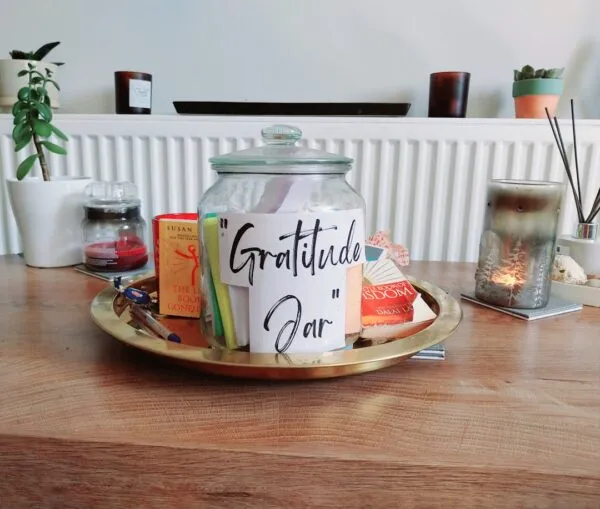
We often encounter the proposition that gratitude is a virtue, a noble sentiment to possess. However, our exploration reveals a more profound truth: gratitude is not merely a passive feeling but a dynamic skill, one that we can cultivate and hone. This perspective shifts it from an innate personality trait to a practical, evidence-based practice with significant implications for our well-being and brain health. We will delve into the mechanisms by which gratitude functions as a skill, the tangible benefits it confers, and the methods we can employ to integrate it effectively into our lives.
Our understanding of gratitude has evolved significantly. No longer solely confined to philosophical or spiritual discourse, it is now a subject of rigorous scientific inquiry. We recognize that engaging in grateful thought patterns initiates a cascade of neurological and psychological events, effectively acting as a form of cognitive training.
The Brain's Plasticity and Grateful Rewiring
The human brain, a marvel of biological engineering, possesses remarkable plasticity – its ability to reorganize itself by forming new neural connections throughout life. When we consistently practice gratitude, we are, in essence, actively participating in this rewiring process. Our research indicates that gratitude specifically activates the prefrontal cortex, the seat of executive functions, and the anterior cingulate cortex, involved in emotion regulation and decision-making. This activation is not fleeting; studies utilizing functional MRI scans have revealed sustained brain activation even months after participants engaged in short-term gratitude interventions, such as writing gratitude letters for a mere three weeks. This demonstrates a lasting imprint, a tangible modification of our neural landscape.
Neurotransmitter Release and Affective States
Beyond structural changes, gratitude also influences our neurochemistry. We observe that its practice triggers the release of key neurotransmitters, notably dopamine and serotonin. Dopamine, often associated with reward and motivation, contributes to feelings of pleasure and satisfaction. Serotonin, a mood stabilizer, plays a crucial role in well-being and happiness. By consistently activating these pathways, we cultivate a neurologically primed environment that facilitates positive thinking and emotional resilience. It is akin to consistently irrigating a garden, ensuring its continued growth and vitality.
In exploring the concept of gratitude as a skill that can be cultivated, it's interesting to consider how our overall well-being can influence our ability to practice gratitude effectively. A related article discusses the impact of daily habits on our health, specifically examining the effects of moderate wine consumption on the body. You can read more about this intriguing connection in the article titled "What a Glass of Wine a Day Does to Your Body" at this link. Understanding how our lifestyle choices affect our mental and physical health can enhance our capacity for gratitude and appreciation in daily life.
The Tangible Health Dividends of a Grateful Disposition
The benefits of practicing gratitude extend far beyond a subjective sense of contentment. Our collective findings highlight a range of measurable improvements across various domains of physical and mental health. Adopting a grateful outlook is not merely a comforting thought; it is a strategic investment in our overall well-being.
Mitigating Mental Health Challenges
The impact of gratitude on mental health is particularly compelling. Research published in the Journal of Positive Psychology, among other reputable sources, consistently demonstrates that engaging in gratitude practices can significantly reduce symptoms of depression and anxiety, by as much as 35%. This is not a superficial alleviation; it represents a substantial shift in an individual's emotional landscape. Consider a 10-week study where participants who consistently maintained daily gratitude lists reported not only greater overall well-being and more positive emotions but also a reduction in physical symptoms commonly associated with stress, such as headaches and colds. This suggests a holistic protective effect.
Enhancing Sleep Quality and Immune Function
The interconnectivity of our physiological systems means that improvements in one area often cascade into others. We observe that gratitude practices are associated with enhanced sleep quality. When our minds are less burdened by negative rumination and more focused on appreciation, the physiological conditions for restorative sleep are optimized. Furthermore, a grateful disposition has been linked to improved immune function. While the exact mechanisms are still under investigation, it is plausible that reduced stress hormones, fostered by gratitude, contribute to a more robust immune response. This implies that gratitude can act as a shield, fortifying our natural defenses against illness.
Cultivating Resilience in the Face of Adversity
Life inherently presents challenges and setbacks. Our ability to navigate these difficulties, to bounce back, is known as resilience. Gratitude plays a pivotal role in cultivating this crucial trait. By focusing on what we have, even amidst adversity, we shift our perspective from one of lack to one of abundance. This allows us to reframe challenges, to learn from them, and to maintain a sense of hope and agency. It is like an anchor in a storm, providing stability when the waves of life threaten to overwhelm us.
Gratitude's Universal Applicability and Adaptability
One of the most encouraging aspects of gratitude as a skill is its universal applicability. It is not an exclusive domain for adults or those of a particular temperament. Our research shows that the benefits of gratitude can be experienced across the lifespan, from early childhood to advanced age.
Nurturing Gratitude in Childhood
Recent 2024 research from Clemson University provides compelling evidence for the early cultivation of gratitude. We see that even first-graders, around six years old, can significantly boost their gratitude and overall well-being through surprisingly simple, short daily practices. Activities like journaling or creating gratitude collages, requiring only 10-15 minutes, yield measurable positive outcomes. This demonstrates that the foundations for a grateful mindset can be laid early, providing children with a powerful tool for emotional regulation and flourishing throughout their lives. It is like planting a seed in fertile ground; with consistent care, it will blossom.
Adaptable Practices for Diverse Contexts
The methods for practicing gratitude are diverse and adaptable, allowing us to find approaches that resonate with our individual preferences and lifestyles. Whether through written reflection, verbal expression, or mindful appreciation, the core principle remains the same: intentionally focusing on what we value. This flexibility ensures that gratitude is not a rigid discipline but a customizable practice.
Optimizing Gratitude Practice for Maximum Effect
While the intention to be grateful is a positive first step, our research suggests that certain approaches to gratitude practice yield more profound and lasting results. It is not simply about being grateful but about how we practice it.
The Nuance of Quality Over Quantity in Journaling
When it comes to gratitude journaling, a common and effective practice, we observe that the quality of our reflections often outweighs the sheer quantity. Research indicates that identifying three specific, detailed gratitudes weekly can be more impactful than compiling generic daily lists. This is because specificity encourages deeper engagement, prompting us to truly reflect on the why behind our appreciation rather than merely checking off items. For instance, instead of writing "I am grateful for food," we might write, "I am grateful for the warmth and nourishment of the homemade soup my neighbor brought me, which comforted me during my illness." This detail enriches the experience and strengthens the neural pathways associated with gratitude.
The Power of Expressed Gratitude and Its Relational Impact
Gratitude is not solely an internal state; its expression has profound relational consequences. Our studies demonstrate that acknowledging the support we receive and explicitly expressing our gratitude strengthens interpersonal bonds. When we communicate our appreciation, it validates the efforts of others and reinforces their helpful behavior, increasing the likelihood of future assistance. Furthermore, we find that group gratitude activities, where individuals share their appreciation within a collective setting, often produce superior outcomes compared to individual practices. This communal sharing amplifies the positive emotions and fosters a sense of collective well-being. It is like a ripple effect, where one act of gratitude expands to touch many.
Practicing gratitude can significantly enhance your overall well-being, and exploring different ways to incorporate it into your daily life can be beneficial. One delightful way to cultivate gratitude is through mindful cooking, such as preparing a comforting dish like blueberry pancakes. You can find a wonderful recipe that not only satisfies your taste buds but also encourages you to appreciate the simple joys of life by visiting this article. Engaging in such activities can help reinforce the skill of gratitude and create lasting positive effects on your mindset.
The Indispensable Role of Consistency and Action
Finally, we emphasize that gratitude, like any skill, requires consistent application and, crucially, must be paired with real-world action to fully realize its potential. It is not a one-time event but an ongoing process.
Sustaining Neural Pathways Through Regular Practice
Our brains are constantly adapting, and just as positive neural pathways can be built through gratitude, they can also weaken if not consistently reinforced. Therefore, regular practice is paramount. It is not enough to occasionally feel grateful; we must actively cultivate it. This sustained engagement ensures that the neural circuits associated with positive emotions and appreciation remain robust and readily accessible. Think of it as maintaining a muscle; consistent exercise keeps it strong and functional.
Integrating Gratitude with Deliberate Action
While internal reflection is valuable, the most powerful forms of gratitude often manifest in action. When our gratitude inspires us to reciprocate kindness, to offer support, or to engage in prosocial behaviors, it transcends mere thought and becomes a transformative force. This active component reinforces the neural pathways in a more comprehensive manner, linking our internal state to external behavior and creating a self-sustaining cycle of positivity. For example, if we are grateful for a mentor's guidance, expressing that gratitude through a thoughtful thank-you note and then actively applying their advice demonstrates a deeper, more engaged form of appreciation.
In conclusion, our collective understanding unequivocally positions gratitude not as a fleeting sentiment but as a powerful, learnable skill. It is a cognitive tool that actively reshapes our brains, delivers measurable health benefits, and enhances our relationships. By embracing gratitude as a deliberate practice, consistently engaging with it, and allowing it to inform our actions, we empower ourselves to cultivate a life characterized by greater well-being, resilience, and connection. Our journey into the science of gratitude reveals that the capacity for appreciation is not merely a gift we receive but a strength we can actively build, day by day.
FAQs
What does it mean that gratitude is a skill?
Gratitude as a skill means it is a practice that can be developed and strengthened over time through intentional actions and habits, rather than being an innate trait.
How can practicing gratitude benefit mental health?
Regularly practicing gratitude has been shown to improve mental health by reducing stress, increasing feelings of happiness, enhancing emotional resilience, and promoting a more positive outlook on life.
What are some common ways to practice gratitude?
Common methods include keeping a gratitude journal, expressing thanks to others verbally or in writing, reflecting on positive experiences daily, and mindfulness exercises focused on appreciation.
Can gratitude practice improve relationships?
Yes, expressing gratitude can strengthen relationships by fostering positive communication, increasing feelings of connection, and encouraging mutual appreciation between individuals.
Is gratitude practice supported by scientific research?
Yes, numerous studies in psychology have demonstrated that gratitude practice can lead to improved well-being, better sleep, reduced symptoms of depression, and overall enhanced life satisfaction.