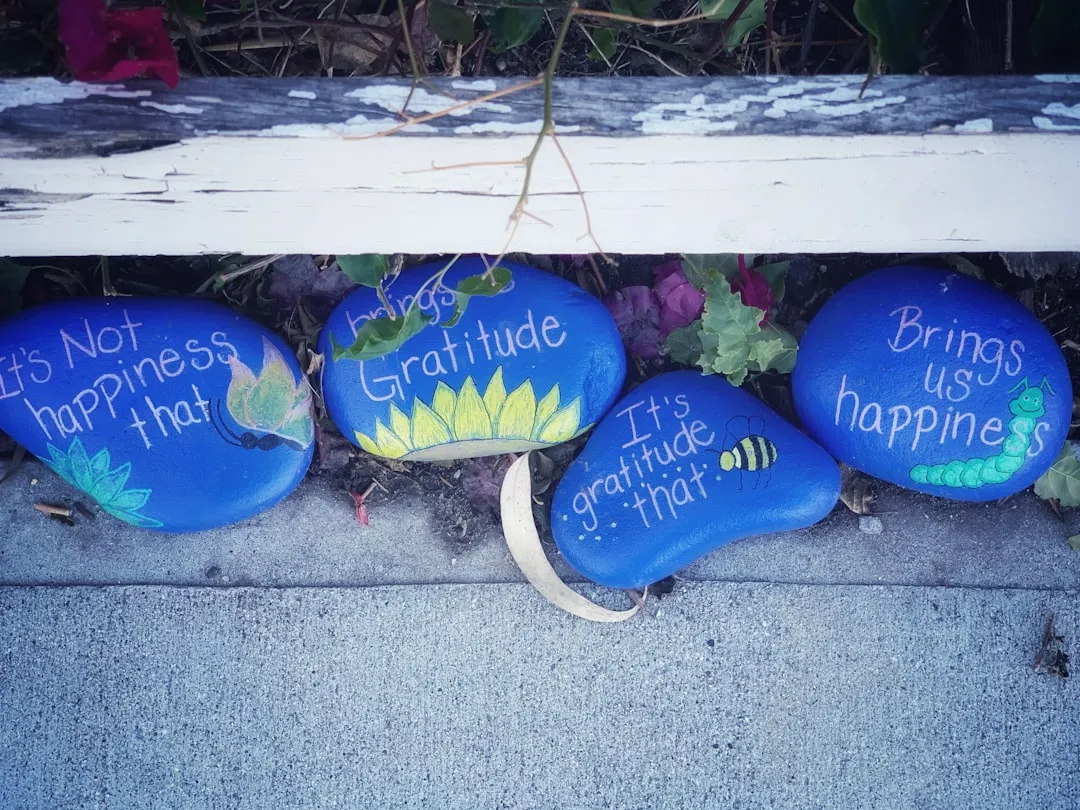
We often discuss gratitude as a virtue, a practice, or a state of being, yet its essence is frequently misunderstood. It is not about an obligation to feel joyous at all times, nor is it a prescription to ignore life's difficulties. Instead, our understanding of gratitude points to a more subtle, yet profoundly impactful, process: active observation. We are not expected to manufacture feelings of happiness, but rather to cultivate an attentiveness to the positive elements that coexist within our experiences, be they mundane or challenging.
Our current scientific understanding, particularly in neuroscience, provides compelling evidence that distinguishes genuine gratitude from its superficial counterparts. We observe that the brain responds differentially to these two modes.
Genuine vs. Forced Expressions
When we engage in authentic gratitude, that is, when we truly feel thankful, our brain’s reward centers, specifically the ventral striatum and medial prefrontal cortex, demonstrate heightened activity. This neural activation is a signature of positive emotional processing, indicating a deep-seated engagement. Conversely, when we merely express gratitude without genuine sentiment – perhaps out of social convention or a perceived obligation – these same neural pathways remain largely quiescent. The implication is significant: the internal, subjective experience is paramount; external performance alone does not yield the same neurobiological benefits. It is akin to the difference between genuinely appreciating a meal and simply stating "thank you" out of politeness; the former registers a deeper satisfaction within us.
The Power of Receiving Gratitude
Interestingly, our brains also react distinctly to the giving and receiving of gratitude. Research indicates that when we receive gratitude, the activation in our prefrontal cortex, an area vital for complex cognitive behaviors, decision-making, and social cognition, is notably stronger than when we are the ones expressing it. This suggests that being acknowledged and appreciated by others carries a profound impact on our own neural landscape. Therefore, while cultivating our personal gratitude practice is beneficial, creating environments where gratitude is both expressed and received openly fosters a more robust and interconnected sense of well-being for all involved. We are, it seems, hard-wired to respond positively to genuine appreciation from our peers.
In exploring the concept of gratitude, it's essential to recognize that it is more about noticing the small joys in life rather than forcing a feeling of thankfulness. This idea resonates with the insights shared in the article on home decor, which emphasizes how incorporating stylish elements can enhance our living spaces and, in turn, our mindset. For a deeper understanding of how our environments can influence our sense of gratitude, you can read more in this article about adding a stylish touch to your home decor: Baskets to Add a Stylish Touch to Your Home Decor.
Gratitude as a Counter-Narrative to Toxic Positivity
A significant misconception surrounding gratitude is its conflation with "toxic positivity." Our understanding, grounded in psychological research, highlights a critical distinction: authentic gratitude does not deny hardship; it acknowledges its presence while simultaneously recognizing the positive.
Acknowledging Difficulty, Not Denying It
Toxic positivity, in our experience, involves a systematic suppression or dismissal of negative emotions and challenging circumstances. It promotes an unrealistic expectation of constant happiness, often leading to feelings of guilt or inadequacy when adversity inevitably arises. Gratitude, however, operates on a different principle. It encourages us to witness the full spectrum of our experiences. For instance, in the midst of a significant personal setback, genuine gratitude does not demand that we ignore the pain or loss. Rather, it invites us to notice, perhaps, the unexpected support from a friend, the resilience we discover within ourselves, or even the subtle lessons gleaned from the difficulty. It is like being in a dense forest during a storm; toxic positivity might insist we only see the blue sky that could be there, while gratitude allows us to acknowledge the rain and wind, yet also notice the unwavering strength of the trees and the shelter they provide.
The Nuance of Positive Coexistence
The practice of truly noticing allows us to perceive that even within challenging situations, elements of good or positive experiences can coexist. This is not about whitewashing reality but about expanding our field of vision. Consider a significant medical diagnosis: toxic positivity might urge immediate optimism and a denial of fear. Gratitude, in this context, permits us to feel the fear and uncertainty, yet also prompts us to notice the dedication of medical professionals, the comfort of family, or the courage found in confronting a difficult truth. This nuanced perspective prevents the emotional bypass characteristic of toxic positivity, which ultimately isolates us from our authentic feelings and hinders genuine coping mechanisms. We learn that life is rarely monochromatic; rather, it is a rich tapestry of light and shadow, and gratitude trains our eyes to see the intricate patterns formed by both.
Cultivating Noticing: Practical Applications for Resilience
Shifting our internal focus from scarcity to abundance is a deliberate, trainable process. We understand that this is not an instantaneous transformation but a journey that requires consistent, yet manageable, effort.
Short, Consistent Practices
Our experience shows that rather than striving for grand, infrequent gestures of gratitude, short, regular practices yield more sustainable results. For instance, incorporating story-based practices into our routines for a mere 1 to 5 minutes, three times a week, can be remarkably effective. This could involve recounting specific instances of kindness received, challenges overcome, or small joys experienced. The key is the narrative element; articulating these experiences, even if only to ourselves, solidifies their presence in our consciousness. It is akin to watering a small plant regularly rather than drenching it once and expecting it to thrive indefinitely.
Building Resilience Through Observation
By consistently engaging in these noticing practices, we are, in essence, training our brains. The neural pathways associated with positive affect and reward are subtly strengthened. In 2026, many routines are emphasizing this principle: noticing achievements and gifts even within difficulties. This approach helps us build resilient habits, enabling us to navigate adversity not by forcing an artificial positivity, but by naturally identifying sources of strength and light that might otherwise go unnoticed. This is not about denying the storms but about recognizing that even amidst the tempest, sturdy roots remain. Our capacity to bounce back is significantly enhanced when we have a cultivated awareness of the resources, both internal and external, that sustain us.
The Brain's Shift: From Lacks to Goods
Regularly practicing gratitude, specifically the act of noticing, gradually rewires our neurological architecture. We observe a systematic shift in how our brains process information and interpret our environment.
Training the Neural Muscle
Our brains, like muscles, adapt to the stimuli they regularly encounter. If we consistently focus on what is lacking, on perceived threats, or on negative outcomes, our brains become highly efficient at scanning for these very things. This creates a neural bias towards negativity, making it challenging to perceive positive elements even when they are present. Conversely, when we habitually engage in noticing acts of kindness, beauty in our surroundings, or personal strengths, we begin to train a different part of the brain. This training shifts our default setting from a "scarcity mindset" to one that is more attuned to "abundance." We are, in effect, teaching our brains to prioritize the detection of positive stimuli. It's like re-calibrating a camera lens; initially, it might be focused on distant, blurry details, but with deliberate adjustment, it learns to clearly capture the vibrant, immediate scenery.
Enhancing Perspective in Tough Times
This re-calibration becomes profoundly advantageous during periods of hardship. When faced with stress, loss, or disappointment, the trained brain is better equipped to identify slivers of hope, lessons learned, or sources of support that might otherwise be overlooked. It does not negate the difficulty, but it provides a broader context. We move beyond the immediate emotional vortex to see the wider landscape. This enhanced perspective is crucial for effective coping and problem-solving. It allows us to view challenges not solely as insurmountable obstacles but as complex situations that may also contain opportunities for growth or unexpected blessings. Our ability to maintain a balanced perspective, even under duress, is a direct outcome of consistently training our noticing muscle.
In exploring the concept of gratitude, it's essential to recognize that it often stems from simple moments of appreciation rather than forced expressions. A related article that beautifully illustrates this idea is about a delightful recipe for blueberry pancakes with maple syrup, which highlights how small joys in everyday life can foster a sense of gratitude. You can read more about this heartwarming connection in the article here. By savoring these little pleasures, we can cultivate a more profound sense of thankfulness in our lives.
Holistic Benefits of Authentic Noticing Practices
The consistent practice of authentic gratitude through conscious noticing extends its benefits far beyond mere emotional upliftment. Our research and observations indicate a wide array of holistic improvements in physical and mental well-being.
Mental Wellness and Resilience
The cultivation of genuine gratitude significantly bolsters our mental resilience. Engagements like dedicating 15 minutes a day, five days a week, to a gratitude practice have been shown to enhance overall mental wellness. This is not about eliminating stress or difficult emotions entirely, but rather about building a stronger internal framework to navigate them. When we consistently notice and appreciate positive aspects of our lives, we develop a psychological buffer against adversity. Our propensity for rumination diminishes, and we become less susceptible to the prolonged negative spirals associated with chronic stress. It is a fundamental shift in our internal operating system, allowing us to process challenges with greater equanimity and a reduced sense of overwhelm.
Physiological Improvements
Beyond the psychological realm, the impact of authentic gratitude extends to tangible physiological improvements. We observe significant benefits related to sleep quality, characterized by shorter sleep onset latency and fewer nocturnal awakenings. This suggests that gratitude's role in reducing stress and fostering positive emotional states translates directly into improved rest. Furthermore, there is consistent evidence linking gratitude practices to enhanced cardiovascular health. While not a direct cure for heart conditions, the reduction in chronic stress and the promotion of positive emotional states contribute to a healthier heart function, including more stable blood pressure and heart rate variability. It provides a biological safeguard, moderating the wear and tear often associated with a highly demanding modern life. These physiological adaptations underpin our ability to sustain well-being across various life domains.
Not Erasing Stress, but Modulating Response
It is crucial for us to iterate that authentic gratitude does not function as an eraser for stress. Life, by its very nature, will continue to present challenges and stressors. What gratitude does, however, is profoundly modulate our response to these stressors. Instead of being overwhelmed by every difficulty, we develop a greater capacity for emotional regulation. The consistent practice of noticing provides a counterbalance to the stress response, preventing it from spiraling into chronic anxiety or despair. We become more adept at identifying the fleeting nature of difficulties and recognizing the enduring presence of positive aspects, even when obscured. This capacity for modulation is a cornerstone of long-term psychological and physiological health, enabling us to weather the inevitable storms of life with greater strength and fewer detrimental consequences.
FAQs
What does it mean that gratitude is about noticing, not forcing?
Gratitude being about noticing means it involves genuinely recognizing and appreciating positive aspects of life as they naturally occur, rather than trying to artificially create feelings of thankfulness. It emphasizes awareness and mindfulness over obligation.
Why is forcing gratitude considered less effective?
Forcing gratitude can feel insincere and may lead to resistance or negative emotions. Genuine gratitude arises from authentic recognition of good things, which is more meaningful and beneficial for emotional well-being than pretending to feel grateful.
How can one practice noticing gratitude in daily life?
Practicing noticing gratitude involves paying close attention to small positive moments, such as acts of kindness, personal achievements, or simple pleasures. Keeping a gratitude journal or taking time to reflect on what one appreciates can help cultivate this awareness.
What are the benefits of cultivating genuine gratitude?
Genuine gratitude has been linked to improved mental health, increased happiness, stronger relationships, and greater resilience. It helps individuals focus on positive experiences, which can reduce stress and enhance overall life satisfaction.
Can gratitude be developed over time?
Yes, gratitude is a skill that can be developed through consistent practice. By regularly noticing and acknowledging things to be thankful for, individuals can strengthen their ability to experience genuine gratitude naturally.