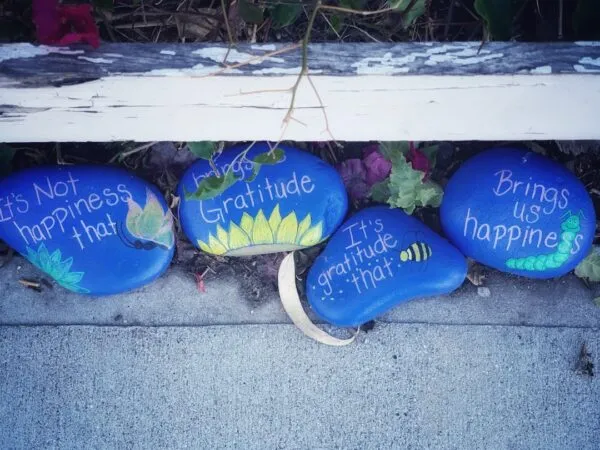
We observe a contemporary societal phenomenon, often termed "hustle culture," which has permeated various aspects of modern life. This pervasive ethos champions relentless activity, constant productivity, and the pursuit of success through an unyielding work ethic. However, as we shall explore, an increasing counter-narrative suggests that this paradigm may be unsustainable and, indeed, detrimental to our collective well-being. We contend that gratitude, often overlooked in the relentless pursuit of achievement, offers a potent and sustainable alternative—an antidote to the exhaustive demands of hustle culture.
Hustle culture, at its core, is a deeply ingrained set of beliefs and practices that valorize incessant work and the deferral of present enjoyment for future gain. We are told to "grind," to "optimize," and to constantly strive for more, often equating self-worth with productivity.
The Origins of a Modern Work Ethic
Historically, elements of this work ethic can be traced back to the Protestant work ethic, which emphasized hard work and asceticism as signs of salvation. In more recent times, the rise of the internet and social media has amplified these pressures. We are constantly exposed to curated highlight reels of others' successes, fostering a sense of inadequacy if we are not perpetually engaged in a similar struggle. The glorification of the "bootstraps" narrative, where individuals achieve success through sheer willpower alone, further reinforces this ideology.
The Metrics of Success
In hustle culture, success is often quantifiable: financial wealth, promotions, prestigious titles, extensive networks, and visible achievements. Our value is frequently measured by output, leading us to believe that our worth is intrinsically linked to our professional accomplishments. This narrow definition of success can blind us to other, equally important aspects of a fulfilling life. We become like a machine, perpetually seeking to increase its revolutions per minute, often without questioning the purpose of the acceleration.
The Internalized Imperative to "Do More"
This culture fosters an internalized imperative to "do more," even when resting. We may find ourselves feeling guilty during leisure time, believing we should be working, learning, or networking. This constant mental taxation prevents genuine rest and rejuvenation, turning relaxation into another item on a to-do list, rather than an intrinsic human need. The very concept of "free time" is often reframed as an opportunity for "side hustles" or personal development, further blurring the lines between work and life.
In exploring the theme of gratitude as an antidote to hustle culture, it's interesting to consider how our mindset can influence our choices and well-being. A related article that delves into the significance of embracing simplicity and comfort in our lives is titled "The Brown Winter Coat Is the New Style Staple." This piece highlights the importance of finding joy in the little things, much like gratitude encourages us to appreciate what we have rather than constantly striving for more. For more insights on this topic, you can read the article here: The Brown Winter Coat Is the New Style Staple.
The Invisible Costs of Relentless Engagement
While the allure of hustle culture promises extraordinary achievements, we are increasingly recognizing the significant hidden tolls it exacts on our physical, mental, and social well-being. These costs often remain unacknowledged until individuals reach a breaking point.
The Erosion of Mental Health
One of the most profound consequences is the erosion of mental health. Chronic stress, anxiety, and burnout are prevalent among those deeply embedded in hustle culture. The constant pressure to perform, coupled with inadequate rest, depletes our cognitive resources and emotional resilience. We become like a perpetually running engine, eventually overheating and seizing up. The recent critique, which highlights hustle culture's "death rattle" and credits Gen Z for prioritizing mental health, underscores this critical concern (Highbrow Magazine).
Physical Manifestations of Stress
The mind and body are inextricably linked. Extended periods of stress manifest physically in various ways: sleep disturbances, digestive issues, weakened immune systems, and an increased risk of chronic diseases. Our bodies, despite our mental resolve, are not designed for perpetual high-intensity output without adequate recovery. We are not robots; our biological mechanisms require periods of repair and restoration.
The Diminishment of Personal Relationships
The intense focus on career advancement often comes at the expense of personal relationships. Time spent with loved ones, family, and friends is deprioritized or viewed as a distraction from work. This can lead to feelings of isolation, loneliness, and a lack of genuine connection, even amidst professional success. A rich tapestry of relationships is often sacrificed for the narrow, linear path of professional ambition.
The Illusion of Generational Wealth and Legacy
A central promise of hustle culture is the creation of generational wealth and a lasting legacy. However, a recent YouTube video titled "Hustle Culture is DEAD" argues that hustle often fails to deliver on these grand promises, suggesting it leads to exhaustion rather than genuine generational prosperity or a meaningful legacy (2026 YouTube video). We might accumulate significant assets, but at what cost to the quality of our lives and the relationships that truly enrich our existence?
Gratitude: A Reorientation of Perspective
In stark contrast to the relentless pursuit characteristic of hustle culture, gratitude offers a powerful reorientation of our perspective. It shifts our focus from what we lack or what needs to be achieved, to what we already possess and appreciate.
Cultivating an Abundance Mindset
Gratitude is inherently an abundance mindset. Rather than perceiving life as a series of deficits to be filled, it encourages us to acknowledge and value the positive aspects that are already present. This does not imply complacency or a lack of ambition, but rather a foundation of contentment from which to pursue goals. We are not emptying a glass, but rather recognizing its current fullness.
Shifting Focus from Outcome to Process
Hustle culture often fixates on outcomes, making our present efforts feel like mere means to an end. Gratitude, conversely, helps us appreciate the journey itself—the learning, the effort, the small victories. It allows us to find joy in the process, rather than deferring happiness until a distant, often elusive, future achievement. This allows us to savor the flavor of the fruit, rather than simply focusing on the eventual harvest.
Acknowledging Interconnectedness
Practicing gratitude often involves acknowledging the contributions of others and the wider support systems that enable our endeavors. This fosters a sense of interconnectedness, reminding us that success is rarely a purely solitary achievement. We recognize the unseen hands that lift us, the supportive voices that encourage us.
The Mechanics of Gratitude: How We Cultivate It
Gratitude is not merely a passive feeling; it is a disposition that can be actively cultivated through various practices. We can intentionally weave gratitude into the fabric of our daily lives.
The Power of Journaling
One of the most common and effective practices is gratitude journaling. Regularly dedicating time to record things we are grateful for helps us to identify and solidify these sentiments. This practice trains our minds to seek out the positive, shifting our cognitive default from complaint to appreciation. We are essentially recalibrating our internal compass towards positivity.
Expressing Appreciation to Others
Beyond private reflection, expressing gratitude directly to others is a potent act. This not only strengthens our relationships but also reinforces our own feelings of appreciation. A simple "thank you," specifically and genuinely delivered, can have a profound impact on both the giver and the receiver. It's like planting a seed of positivity that blossoms in shared connection.
Mindful Observation and Reflection
Gratitude can also be cultivated through mindful observation. Taking a moment to appreciate the beauty in nature, the comfort of our homes, or the simple pleasure of a meal can bring us back to the present moment and foster a sense of contentment. Deliberately pausing to notice the good, however small, can change our internal landscape. We are opening our eyes to the everyday miracles that often go unnoticed in our haste.
In exploring the concept of gratitude as a remedy for the relentless pace of hustle culture, one can find valuable insights in a related article that discusses the importance of slowing down and appreciating the small moments in life. This piece emphasizes how cultivating gratitude can lead to a more fulfilling existence, contrasting sharply with the often overwhelming demands of modern productivity. For a deeper understanding of this transformative practice, you can read more about it in this article on gratitude and mindfulness found here.
Gratitude as an Antidote to Hustle Culture: A Synthesized Perspective
Having explored the tenets and consequences of hustle culture, and the nature of gratitude, we now propose gratitude as a foundational antidote, offering a sustainable and fulfilling alternative.
Fostering Resilience and Burnout Prevention
Gratitude acts as a buffer against stress and burnout. By regularly acknowledging the positive aspects of our lives, we build emotional resilience, enabling us to navigate challenges with a more balanced perspective. It helps us to refill our emotional reserves, rather than constantly drawing from an emptying well. This allows us to sustain effort without succumbing to exhaustion.
Redefining Success and Fulfillment
Gratitude allows us to broaden our definition of success beyond purely materialistic or professional achievements. It encourages us to find fulfillment in relationships, personal growth, health, and the simple joys of everyday life. This holistic view prevents the tunnel vision often associated with hustle culture, where all other aspects of life are secondary to career advancement. We are seeking a rich, multi-faceted tapestry of success, not just a single, brightly colored thread.
Promoting Sustainable Productivity
Paradoxically, by practicing gratitude and embracing more balanced living, we can achieve more sustainable and meaningful productivity. When we are well-rested, mentally resilient, and emotionally fulfilled, our creativity and problem-solving abilities are enhanced. We are not just working harder; we are working smarter, with greater clarity and purpose. The relentless pace of hustle culture often leads to diminishing returns, whereas a gratitude-infused approach fosters genuine effectiveness.
Cultivating Genuine Legacy and Generational Well-being
Ultimately, embracing gratitude moves us towards a more profound understanding of legacy. It encourages us to invest in relationships, contribute to our communities, and live in alignment with values that extend beyond personal accumulation. As the critiques of hustle culture suggest, true generational wealth and legacy may not be solely financial, but rather built on a foundation of well-being, connection, and meaningful contribution. We are building not just structures, but fertile ground for future generations to thrive.
In conclusion, while hustle culture presents a powerful paradigm for success, its unsustainable demands on our mental, physical, and relational well-being are becoming increasingly apparent. Gratitude offers a compelling alternative—not as a panacea, but as a robust and sustainable antidote. By intentionally cultivating gratitude, we can recalibrate our values, redefine success, and forge a path towards a more balanced, resilient, and genuinely fulfilling existence, moving beyond the "death rattle" of performative grinding towards a more humane and sustainable future.
FAQs
What is hustle culture?
Hustle culture refers to a societal mindset that emphasizes constant work, productivity, and the pursuit of success, often at the expense of personal well-being and balance.
How does gratitude counteract hustle culture?
Gratitude shifts focus from relentless striving to appreciating the present moment and what one already has, promoting mental well-being and reducing stress associated with constant hustle.
What are the benefits of practicing gratitude regularly?
Regular gratitude practice can improve mental health, increase happiness, enhance relationships, reduce anxiety, and foster a more balanced and fulfilling lifestyle.
Can gratitude improve work-life balance?
Yes, by fostering appreciation for both professional achievements and personal life, gratitude helps individuals prioritize and maintain a healthier work-life balance.
How can someone incorporate gratitude into their daily routine?
People can keep a gratitude journal, take time each day to reflect on positive experiences, express thanks to others, or practice mindfulness to cultivate a habit of gratitude.