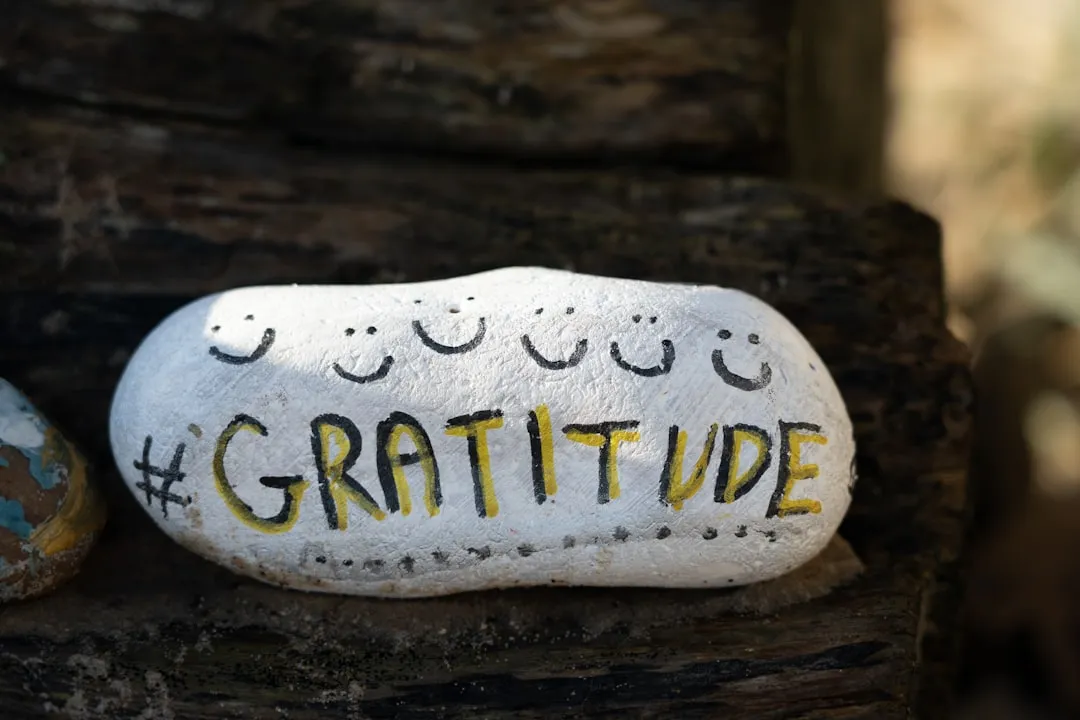
We often seek pathways to enhanced well-being, exploring various strategies to improve our physical and mental states. Among these, the practice and experience of gratitude have emerged as a significant factor, consistently linked to a more robust and enduring state of well-being across numerous scientific investigations. Our understanding of this connection has deepened considerably in recent years, revealing a complex interplay of psychological, physiological, and social mechanisms through which gratitude exerts its beneficial effects. We will explore these mechanisms, noting the empirical evidence that underpins our current knowledge.
Our physical health is not solely a product of diet and exercise; psychological factors, such as gratitude, also play a substantial role. Recent research has illuminated the direct impact of gratitude on our biological systems, demonstrating its capacity to influence mortality risk and cardiovascular health. These findings suggest that gratitude is not merely a pleasant emotion but a potent factor in our physiological resilience.
Reduced Mortality and Cardiovascular Resilience
We observe compelling data suggesting a direct correlation between gratitude and reduced mortality. For instance, a comprehensive 2024 study involving over 49,000 older female nurses provided significant insights. This research indicated that individuals who reported frequent feelings of gratitude experienced a 9% lower risk of mortality over a four-year period. This protective effect extended across various causes of death, importantly encompassing cardiovascular disease. This is not a marginal effect but a statistically significant reduction, suggesting gratitude acts as a kind of internal shield against life-limiting conditions.
We can conceptualize this as gratitude acting as a kind of biological buffer, reducing the wear and tear on our systems that might otherwise accelerate aging or exacerbate underlying health issues. This is not to imply a magical cure but rather a subtle, persistent influence that nudges our physiology towards greater health and longevity.
Cardiovascular and Sleep Outcomes
Beyond directly impacting mortality risk, gratitude has been shown to improve specific physiological markers crucial for long-term health. We find that the regular practice of gratitude can lead to measurable improvements in cardiovascular health. Specifically, it has been linked to lower blood pressure, a critical factor in preventing heart disease and stroke. We understand that chronic stress and negative emotions can elevate blood pressure, placing undue strain on our cardiovascular system. Gratitude, in contrast, appears to foster a physiological state conducive to lower blood pressure, akin to a gentle hand guiding a turbulent river towards calmer waters.
Furthermore, our sleep quality and duration are significantly impacted by our emotional states. We know that disturbed sleep is a prominent factor in numerous health problems. Gratitude interventions have been associated with improved sleep quality and increased sleep duration. This suggests that a grateful mindset contributes to a more relaxed and peaceful state, facilitating restorative sleep. While the mechanisms are still under investigation, it is plausible that gratitude reduces rumination and anxiety, common impediments to sound sleep, thereby allowing our bodies and minds to recuperate more effectively. There is also emerging evidence that gratitude may play a role in slowing neurodegeneration, pointing towards a broader protective effect on our neurological health. This area of research is still developing, but its implications for cognitive longevity are profound.
In exploring the profound impact of gratitude on long-term wellbeing, it's interesting to consider how our emotional states can influence various aspects of our lives, including our personal style and self-expression. A related article titled "The Brown Winter Coat Is the New Style Staple" delves into how fashion choices can reflect and enhance our mood, further emphasizing the interconnectedness of gratitude and overall happiness. You can read more about this intriguing connection in the article here: The Brown Winter Coat Is the New Style Staple.
The Psychological Architecture of Well-being: How Gratitude Shapes Our Minds
Our mental landscape is profoundly influenced by our prevailing emotional states and cognitive patterns. Gratitude, when nurtured, acts as a powerful architect, reshaping this landscape to foster greater resilience, contentment, and emotional balance. We find that regularly engaging with gratitude fortifies our psychological defenses and enhances our internal resources.
Enhanced Mental Health and Life Satisfaction
We have compelling evidence that gratitude interventions directly contribute to superior mental health outcomes. A meta-analysis, which consolidated data from 64 randomized clinical trials, provided robust support for this assertion. The findings revealed that consistent gratitude practices were associated with a 6.86% increase in life satisfaction, a 5.8% improvement in overall mental health, and significant reductions in symptoms of anxiety (7.76% lower) and depression (6.89% lower). These are not insignificant shifts; they represent a tangible uplift in our subjective experience of life and a measurable alleviation of common psychological distresses.
We can envision gratitude acting as a filter, allowing us to perceive more of the positive aspects of our lives, even amidst challenges. This shift in perspective can fundamentally alter our emotional trajectory, moving us from states of deficiency to states of appreciation. This is not about ignoring difficulties but rather about cultivating an inner strength that enables us to navigate them with greater equanimity.
Improved Emotional Regulation and Resilience
Our ability to manage and respond to emotions effectively, known as emotional regulation, is a cornerstone of psychological well-being. Research consistently demonstrates that gratitude practice enhances this capacity. We find that individuals who regularly cultivate gratitude exhibit increased emotional resilience, meaning they are better equipped to bounce back from adversity and cope with stress. This is akin to building psychological muscle; the more we practice gratitude, the stronger our capacity to withstand emotional shocks becomes.
Furthermore, gratitude fosters greater empathy towards others. By focusing on the positive contributions of others to our lives, we naturally develop a deeper understanding and appreciation for their perspectives and experiences. This expansion of empathy not only enriches our social interactions but also contributes to a more compassionate and understanding internal world. We also observe improved mental clarity, as gratitude appears to reduce the cognitive clutter often associated with anxiety and rumination, allowing for clearer thought processes and more effective decision-making.
Behavioral Reinforcement: Gratitude as a Catalyst for Positive Habits
Our psychological states frequently manifest in our actions. Gratitude, far from being a passive emotion, actively influences our behavioral choices, steering us towards habits that are conducive to long-term health and well-being. We find that a grateful mindset can be a powerful motivator for positive change.
Promotion of Health-Conscious Behaviors
We observe a clear pattern: individuals who cultivate a grateful mindset are more likely to engage in behaviors that promote their physical health. This includes a higher propensity for regular exercise, which is foundational for cardiovascular health, weight management, and mental well-being. They also tend to follow more balanced diets, making choices that nourish their bodies rather than detract from their health. We understand that consistent sleep schedules are vital for all aspects of health, and grateful individuals often exhibit better adherence to these important routines.
Conversely, our research indicates a tendency for grateful individuals to avoid harmful behaviors. This suggests that gratitude fosters a greater sense of self-care and self-worth, making us less inclined to engage in actions that are detrimental to our health and future. We can conceptualize this as gratitude fostering a sense of stewardship over our own bodies and lives, inspiring us to treat ourselves with greater care and respect.
Stress Reduction and Goal Attainment
The relentless pressures of modern life can exact a heavy toll on our mental and physical health. We find that gratitude practice acts as a significant buffer against these stressors. It has been shown to reduce both perceived stress and symptoms of depression. By shifting our focus towards what is good in our lives, even small things, gratitude can disrupt negative thought spirals and calm our nervous systems. This is akin to finding an anchor in a storm, providing stability amidst turbulence.
Beyond managing adversity, gratitude also empowers us to pursue and achieve our personal goals. Participants who engage in gratitude practices report higher levels of attentiveness, energy, and determination. This is likely due to the enhanced mental clarity and positive outlook that gratitude fosters. When we feel grateful, we are more likely to approach challenges with optimism and resilience, seeing obstacles as opportunities rather than insurmountable barriers. This positive reinforcement cycle—gratitude leading to better goal pursuit, which then generates more reasons for gratitude—creates a powerful upward spiral.
The Social Fabric of Gratitude: Strengthening Our Connections
Humans are inherently social beings; our well-being is deeply intertwined with the quality of our relationships. Gratitude acts as a powerful social lubricant, fostering stronger bonds and enhancing the interconnectedness that is vital for a fulfilling life. We find that cultivating gratitude actively enriches our social landscapes.
Enhancing Social Bonds and Relationships
We observe that gratitude strengthens relationships and social bonds. When we express gratitude to others, we acknowledge their value and contributions to our lives. This recognition not only makes the recipient feel appreciated but also reinforces the positive aspects of the relationship. This is a reciprocal process; when we feel and express gratitude, others are more likely to reciprocate positive feelings and actions. This creates a virtuous cycle of positive interaction and mutual support.
Strong social connections are not merely a pleasant aspect of life; they are a fundamental determinant of both the quality and length of our lives. Loneliness and social isolation are known risk factors for numerous health problems, while robust social networks are associated with greater resilience and longevity. Gratitude, by fostering these connections, thus plays a direct role in enhancing our overall well-being and life expectancy. We can see gratitude as the mortar that binds the bricks of our social edifice, making it more stable and durable.
Research has shown that practicing gratitude can significantly enhance long-term wellbeing, and a related article explores this concept further. In the piece, the author discusses how simple acts of appreciation can transform our outlook on life and foster deeper connections with others. For those interested in understanding the broader implications of gratitude, you can read more about it in this insightful article about a black old bike parked beside a white wall, which metaphorically illustrates the beauty of appreciating the small things in life. Check it out here.
Practical Applications: Integrating Gratitude into Our Lives
Our scientific understanding of gratitude's benefits would be incomplete without practical methodologies for its cultivation. The good news is that integrating gratitude into our daily lives does not require arduous effort but rather consistent, simple practices. We have identified several effective techniques that can reliably build these long-term benefits.
Simple and Effective Practices
We find that even basic, consistent practices can yield substantial long-term benefits. One of the most widely researched and effective methods is the daily gratitude journal. This involves dedicating a few minutes each day to writing down things for which we are grateful. This can be as simple as listing three positive experiences, interactions, or fortunate circumstances from the day. The act of consciously recalling and articulating these points of appreciation trains our minds to seek out and register the positive, gradually shifting our cognitive bias. This is not about ignoring problems but about ensuring that achievements and positive experiences are equally recognized.
Another profoundly impactful practice is writing gratitude letters. This involves composing a letter to someone who has positively influenced our lives, expressing specific aspects of our appreciation for them. The act of writing this letter, and ideally delivering it in person to witness their reaction, can be deeply moving for both the sender and the recipient. The cognitive and emotional processing involved in articulating specific appreciation strengthens our own sense of gratitude and reinforces the social bonds discussed earlier. These practices, while seemingly minor in isolation, accumulate over time to create a powerful engine for enduring well-being.
In conclusion, our collective understanding, grounded in rigorous scientific inquiry, confirms that gratitude is not merely a fleeting emotion but a profound catalyst for long-term well-being. From reducing mortality risk and improving cardiovascular health to enhancing mental resilience, fostering positive behaviors, and strengthening social bonds, its effects are pervasive and empirically supported. The integration of simple, consistent gratitude practices into our daily lives offers a clear and accessible pathway to a healthier, happier, and more fulfilling existence. We encourage you to consider these findings and explore how the intentional cultivation of gratitude might enrich your own journey toward sustained well-being.
FAQs
What is gratitude and how is it defined in psychological research?
Gratitude is the feeling of thankfulness and appreciation for the positive aspects of life. In psychological research, it is often defined as a recognition and acknowledgment of the good things one receives, whether from other people, nature, or a higher power.
How does practicing gratitude contribute to long-term wellbeing?
Practicing gratitude has been shown to improve long-term wellbeing by enhancing positive emotions, reducing stress, improving relationships, and promoting a more optimistic outlook on life. Regularly acknowledging what one is thankful for can lead to sustained improvements in mental health and life satisfaction.
What are common methods used to cultivate gratitude?
Common methods to cultivate gratitude include keeping a gratitude journal, writing thank-you letters, reflecting on positive experiences, and expressing appreciation to others. These practices help individuals focus on positive aspects of their lives and reinforce feelings of gratitude.
Can gratitude impact physical health as well as mental health?
Yes, gratitude can positively impact physical health. Studies have found that grateful individuals often experience better sleep, lower blood pressure, and stronger immune function, likely due to reduced stress and improved emotional wellbeing.
Is gratitude beneficial for all age groups?
Gratitude is beneficial across all age groups. Research indicates that children, adults, and older adults can all experience improved wellbeing through gratitude practices, though the ways gratitude is expressed and experienced may vary with age.