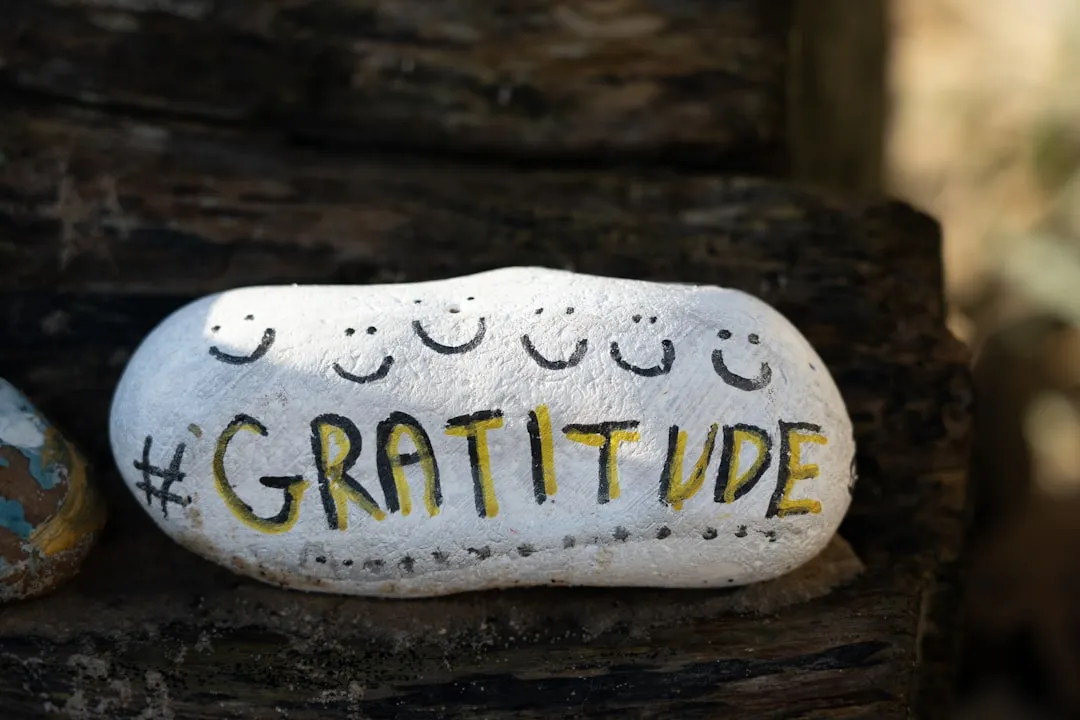
We observe, across various academic disciplines and practical applications, a fundamental question regarding the nature of gratitude: is it primarily an emotion, a fleeting sensation, or something more profound, perhaps rooted in cognitive processes? Our collective experience and research suggest that while emotion certainly plays a role, the enduring and transformative power of gratitude stems more from a conscious awareness and an intentional engagement with our perceptions. We propose that gratitude is not merely a feeling but a cultivated state of mind, an active recognition of the positive aspects of our existence, regardless of their magnitude.
We readily acknowledge that gratitude often manifests as an emotion. That rush of warmth when a kind gesture is extended, the momentary elation upon receiving an unexpected gift, or the fleeting uplift after a compliment – these are all genuine expressions of emotional gratitude. However, we must critically evaluate the sustainability and deeper impact of such purely emotional responses.
The Hedonic Treadmill Effect
Our psychological understanding of human happiness reveals a phenomenon known as the hedonic treadmill. We tend to adapt quickly to positive changes in our lives, and our baseline level of happiness often returns to its previous state even after significant positive events. This principle applies equally to emotional gratitude. The initial surge of positive feeling, much like the scent of a blooming rose, is intoxicating but often dissipates over time. If gratitude were solely an emotion, its impact would be transient, leaving us continually seeking new stimuli to trigger that fleeting positive sensation. We would become like a hiker perpetually chasing the sun a mirage, forever out of reach.
The Role of Initial Triggers
Often, emotional gratitude is a reactive state, triggered by an external event or circumstance. A simple "thank you" or a feeling of appreciation can be a natural and immediate response to someone's actions. While these initial triggers are valuable, we argue they represent the starting gun, not the marathon itself. The true race of gratitude, its sustained cultivation, requires more than reflexive responses; it demands a conscious and deliberate effort. We recognize these initial triggers as important entry points, but we also understand their limitations in fostering enduring well-being.
Distinction from Genuine Positive Emotion
It is crucial for us to differentiate between genuine positive emotions and the broader concept of gratitude. While joy, contentment, and appreciation are often intertwined with gratitude, they are not synonymous. We can experience joy without specifically being grateful for anything, and we can be content without directly acknowledging a benefactor. Gratitude, in its most profound sense, involves a directed recognition of benefit received, either from another person, from circumstance, or even from life itself. This directedness is what sets it apart and positions it closer to a cognitive process than a mere affective state.
In exploring the concept of gratitude, it's interesting to consider how our awareness of the world around us can enhance our appreciation for the finer things in life. A related article discusses the significance of high-quality jewelry from selected luxury brands, highlighting how these exquisite pieces can serve as reminders of moments of gratitude and connection. You can read more about this fascinating intersection of luxury and appreciation in the article found here: High-Quality Jewelry from Selected Luxury Brands.
Gratitude as a Cognitive Restructuring
Our exploration into the nuances of gratitude reveals that its most impactful and long-lasting effects are rooted in cognitive processes. It is not merely about feeling good, but about seeing differently. This re-framing of our perception, this cognitive restructuring, allows us to transcend the superficiality of fleeting emotions and tap into a deeper well of appreciation.
Intentional Reflection and Sustained States
Research by Drs. Sarah Schnitker and Jo-Ann Tsang provides compelling evidence for the power of intentional reflection. They demonstrate that when we consciously reflect on instances of gratitude, we move it beyond a momentary activity and transform it into a lasting emotional state. This sustained state is not the same as a continuous high but rather a profound shift in our underlying disposition. It is akin to tending a garden; while the initial planting is a single act, the consistent care and nurture lead to a sustained bloom. We cultivate this state by actively recalling, savoring, and acknowledging the benefits we have received.
Neural Rewiring and Pathway Enhancement
We observe that engaging in regular gratitude practices acts as a potent force for neural rewiring. Studies consistently show that practicing gratitude builds positive neural pathways, particularly in the prefrontal cortex. This region of the brain is crucial for emotional control, decision-making, and personality expression. By consistently focusing on what we appreciate, we are effectively strengthening these pathways, enhancing our capacity for emotional regulation and fostering a more positive outlook over time. This is not about feeling grateful in a moment; it's about reshaping the very architecture of our brains to make gratefulness a more accessible and default state. We are, in essence, rewiring our internal GPS to prioritize routes of appreciation.
Gratitude as a Perceptual Shift
Our understanding of gratitude is increasingly aligning with the concept of a perceptual shift. It's about changing the lens through which we view the world. Instead of focusing solely on deficiencies or challenges, we intentionally train ourselves to notice the abundance, the kindness, and the inherent goodness that surrounds us. This shift is not about ignoring difficulties, but rather about broadening our perspective to include the positive aspects that might otherwise be overlooked. It’s like discovering latent colors in a seemingly monochromatic painting once we adjust our gaze. This conscious reframing of reality is a fundamentally cognitive act.
The Awareness Component: Beyond Surface-Level Appreciation
We contend that the true depth of gratitude lies in awareness – a conscious, active recognition of benefits that extends beyond a superficial "thank you." This awareness is a cultivated skill, sharpened through consistent practice and introspection.
Realistic Gratitude vs. Toxic Positivity
A crucial distinction we make is between what we call "realistic gratitude" and "toxic positivity." Toxic positivity is characterized by the forced suppression of negative emotions and the insistence on an optimistic outlook, even in the face of genuine hardship. This often leads to feelings of invalidation and shame. Realistic gratitude, on the other hand, acknowledges the struggles and challenges of life alongside the gifts and blessings. It's not about denying pain but about recognizing that even within difficult circumstances, there can be elements for which to be grateful. This nuanced approach requires a high level of awareness; it demands that we hold complexity without succumbing to either extreme. We don't paint over the cracks, but seek the beauty within the mosaic.
Cultivating an Attitude of Appreciation
Developing an "attitude of appreciation" signifies a profound shift from episodic gratitude to a continuous, underlying state. This is not to say we are jubilantly grateful every second of every day, but rather that we have cultivated a general disposition to notice and acknowledge the good. This attitude is born from repeated acts of conscious awareness, a deliberate training of our minds to seek out and register the positive. It's like developing a muscle; the more we exercise it, the stronger it becomes, enabling us to lift heavier weights of appreciation even in demanding situations.
Mindful Engagement with the Present Moment
Our understanding of gratitude is deeply intertwined with mindfulness. When we practice mindfulness, we bring our full attention to the present moment, observing our thoughts, feelings, and sensations without judgment. This practice naturally fosters gratitude because it makes us aware of the simple blessings that often go unnoticed in our hurried lives – the warmth of the sun, the taste of our food, the sound of laughter. This mindful engagement is a direct pathway to heightened awareness, which in turn fuels our capacity for gratitude. We stop hurtling through life and instead take the time to truly see, hear, and feel.
Practical Applications: Harnessing Aware Gratitude
We have observed that the practical implementation of gratitude, when grounded in awareness, yields significant and measurable benefits. This is not merely anecdotal evidence; it is supported by a growing body of research.
Gratitude Practices and Goal Attainment
Recent articles from late 2025 and early 2026 highlight the role of gratitude practices in achieving personal and professional goals. When we consistently acknowledge the progress we've made, the support we've received, and the opportunities we've been given, we boost our motivation and resilience. This awareness of past and present blessings creates a positive feedback loop, propelling us forward. It's like building momentum; each small act of appreciation adds to the overall force propelling us toward our objectives. We are acknowledging the foundational stones, empowering us to build higher.
Health and Well-being Benefits
The benefits of gratitude, when approached with awareness, extend significantly to our health and well-being. Studies indicate that conscious gratitude practices can reduce depression by as much as 35% and significantly improve sleep quality. These are not fleeting emotional improvements but rather tangible shifts in our physiological and psychological states. This indicates that gratitude, as a perceptual and cognitive habit, directly impacts our internal systems. We are not just feeling better; we are literally getting healthier because of our conscious choices to appreciate.
Resilience and Stress Reduction
In an increasingly complex and demanding world, resilience is a critical attribute. We find that a foundation of aware gratitude significantly enhances our ability to bounce back from adversity. By cultivating an awareness of the good, even amidst challenges, we build a psychological buffer against stress and negative emotional spirals. Meta-analyses consistently confirm the benefits of gratitude for mental health and stress reduction. It acts like an emotional shock absorber, allowing us to navigate life's bumps and potholes with greater stability and less emotional wear and tear.
In exploring the concept of gratitude, it's fascinating to consider how awareness plays a pivotal role in cultivating this practice. A related article discusses how incorporating elements of style into our living spaces can enhance our overall sense of well-being and appreciation for our surroundings. By creating a harmonious environment, we can foster a deeper connection to the present moment, which aligns with the idea that gratitude is more about awareness than mere emotion. To learn more about this, you can read the article on stylish home decor [here](https://articles.gratitude.fm/baskets-to-add-a-stylish-touch-to-your-home-decor/).
Future Directions and Broader Implications
As we deepen our understanding of gratitude, we recognize that the journey is ongoing. Our collective research points towards exciting future directions and broader societal implications.
Cognitive Foundations of Gratitude
Ongoing projects, such as the Global Gratitude Project, are actively exploring the cognitive foundations of gratitude. This area of research seeks to unpack the intricate mental processes involved in experiencing and expressing gratitude. By dissecting these cognitive mechanisms, we aim to gain an even clearer picture of how awareness drives this transformative state. We are peeling back the layers to understand the fundamental architecture of this powerful human capacity.
Educational and Societal Integration
The implications of gratitude being a cultivated awareness rather than a fleeting emotion are profound for education and societal integration. If gratitude can be taught and nurtured as a cognitive skill, we can develop curricula and programs that equip individuals with this powerful tool from an early age. Imagine a society where the inherent appreciation for life's blessings is a foundational principle, not just an occasional feeling. This shift could lead to more empathetic, resilient, and collaborative communities. We envision a future where gratitude is woven into the very fabric of our collective consciousness, a guiding star rather than a passing meteor.
From Individual Practice to Collective Consciousness
While our current focus is often on individual practices of gratitude, we believe the ultimate goal is to foster a collective consciousness of appreciation. When more individuals cultivate aware gratitude, the ripple effect can transform relationships, workplaces, and entire communities. Imagine shared spaces where appreciation is the default, where contributions are acknowledged, and where the inherent value of each person and experience is recognized. This is the ultimate aspiration of understanding gratitude as an awareness: to move beyond isolated moments of feeling and towards a pervasive and shared experience of valuing life itself. We are not just tending individual gardens, but contributing to a thriving ecosystem of appreciation.
In conclusion, while the warm embrace of emotional gratitude is undeniably pleasant, we emphatically assert that the true power and longevity of gratitude lie in awareness. It is a conscious, cognitive restructuring of our perception, a deliberate cultivation of an appreciative mindset. By understanding gratitude as a learned skill, honed through intentional reflection and practice, we unlock its profound potential to enhance our mental, emotional, and even physical well-being. We invite you to join us in this ongoing exploration, to move beyond merely feeling grateful, and to actively become grateful through the power of conscious awareness.
FAQs
What is the main idea behind gratitude being more about awareness than emotion?
Gratitude as awareness emphasizes recognizing and appreciating the positive aspects of life consciously, rather than just experiencing a fleeting emotional response. It involves a mindful acknowledgment of what one has, which can lead to a deeper and more sustained sense of thankfulness.
How does awareness contribute to the practice of gratitude?
Awareness helps individuals notice and focus on the good things in their lives, including small or often overlooked details. This conscious attention fosters a habit of gratitude that is less dependent on mood and more rooted in a consistent perspective.
Can gratitude be cultivated through practices that enhance awareness?
Yes, practices such as mindfulness meditation, journaling, and reflective exercises can increase awareness and help individuals develop a more stable and enduring sense of gratitude by training the mind to recognize positive experiences regularly.
Is gratitude solely an emotional experience?
No, while gratitude often involves positive emotions, it is not solely an emotional experience. It also includes cognitive components like awareness, recognition, and appreciation, which can exist independently of immediate emotional states.
What are the benefits of viewing gratitude as awareness rather than just an emotion?
Viewing gratitude as awareness can lead to more consistent and long-lasting feelings of thankfulness, improve mental well-being, enhance relationships, and promote a positive outlook on life by encouraging individuals to actively notice and value their experiences.