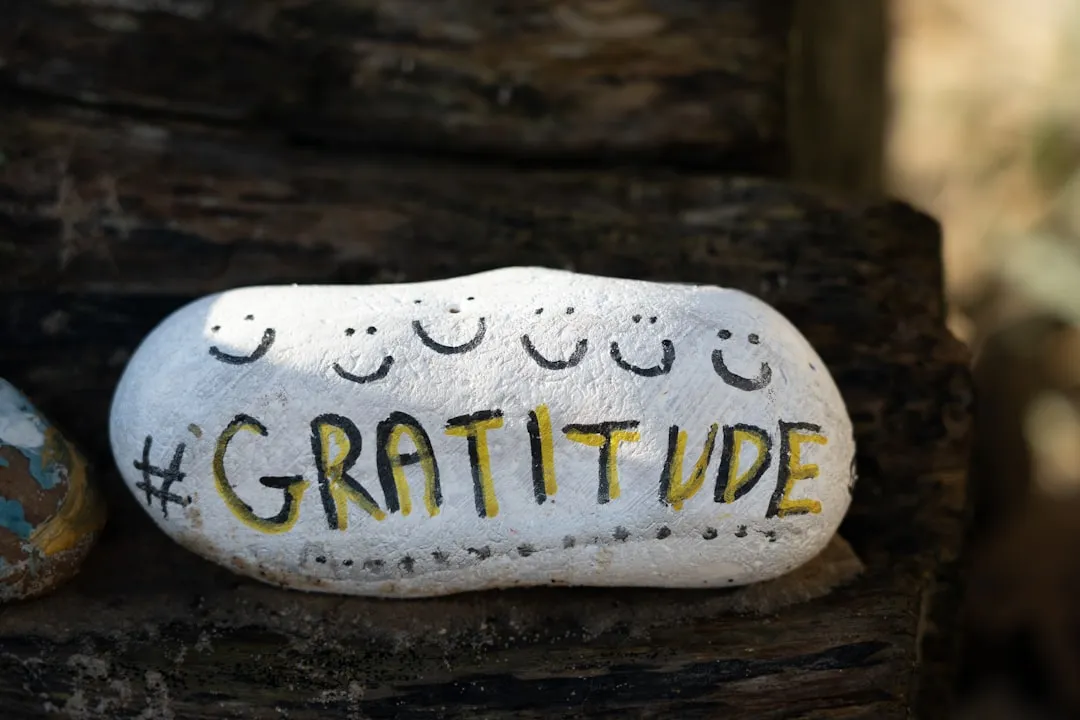
We often find ourselves navigating a complex landscape of emotions, buffeted by stressors and uncertainties. In this turbulent environment, the ability to reset our emotional state rapidly and effectively becomes invaluable. We contend that gratitude, often underestimated in its profound impact, serves as the swiftest and most potent emotional reset available to us. This assertion is not merely anecdotal; it is increasingly supported by a growing body of scientific evidence illuminating its physiological and psychological mechanisms.
Our understanding of gratitude has evolved significantly from a purely philosophical concept to one rooted in neurobiology. We now comprehend that engaging in gratitude practices directly impacts our brain chemistry and neurological pathways, orchestrating a cascade of beneficial effects.
Immediate Cortisol Reduction
One of the most immediate and profound effects of gratitude is its ability to quell the body's stress response. We observe a direct inverse relationship between gratitude and cortisol levels. When we experience gratitude, even for a fleeting moment, our bodies register a shift away from a state of perceived threat. Research, including insights published in Psychology Today in November 2025, indicates an immediate calming effect through lower cortisol secretion. Cortisol, often referred to as the "stress hormone," is a primary mediator of the fight-or-flight response. Its reduction signals to the body that the immediate danger has subsided, allowing for a return to physiological equilibrium. This rapid dampening of the stress response is a critical component of gratitude's ability to offer an instantaneous emotional reset.
Parasympathetic Activation
Concurrently with the reduction in cortisol, gratitude activates the parasympathetic nervous system, commonly known as the "rest and digest" system. The parasympathetic nervous system counteracts the effects of the sympathetic nervous system, which is responsible for the "fight or flight" response. By stimulating parasympathetic activation, gratitude promotes relaxation, slows heart rate, and lowers blood pressure. This physiological shift is not a gradual process; it can occur almost instantaneously as our focus shifts to appreciation. We experience a visceral calming, a sensation akin to an internal sigh of relief, as our bodies transition from a state of vigilance to one of repose.
Medial Prefrontal Cortex Activity
Beyond immediate physiological changes, gratitude also instigates significant alterations in brain activity, particularly within the prefrontal cortex. A 2016 trial, highlighted in Psychology Today, demonstrated stronger activity in the medial prefrontal cortex for emotional regulation in therapy patients engaged in gratitude practices. The medial prefrontal cortex is a key region involved in self-referential processing, emotional regulation, and decision-making. Enhanced activity in this area suggests that gratitude cultivates a more robust capacity to manage our emotions, interpret experiences constructively, and make choices aligned with our well-being. This strengthening of the brain's emotional regulatory centers provides a foundation for sustained emotional resilience, moving beyond just a momentary reset.
In exploring the concept of gratitude and its powerful effects on emotional well-being, you may find it interesting to read a related article that delves deeper into the practical applications of gratitude in everyday life. This article discusses various strategies for cultivating gratitude and how it can serve as a transformative practice. To learn more, visit this insightful piece that complements the ideas presented in "Why Gratitude Is the Fastest Emotional Reset."
Shifting Cognitive Frameworks
Gratitude does not merely calm our nervous system; it fundamentally alters our cognitive framework, redirecting our attention and reframing our perception of reality. This cognitive shift is central to its power as an emotional reset.
From Survival to Creativity
As articulated by Judy Wilkins-Smith in 2026, gratitude shifts our brain's operational mode from a "survival brain" to a "creative brain." In a state of fear or stress, our primal survival instincts dominate, narrowing our focus to perceived threats and limiting our cognitive flexibility. When we cultivate gratitude, we disengage from this limbic-dominated state and activate higher-order cognitive functions. This shift allows us to perceive opportunities, generate solutions, and engage in more expansive and optimistic thinking. We move from a reactive posture to a proactive one, enabling us to respond to challenges with ingenuity rather than being overwhelmed by them. This transition is akin to turning on a light in a dark room; new possibilities become visible.
Incompatibility with Depression and Fear
A profound aspect of gratitude's efficacy lies in its inherent incompatibility with negative emotional states such as depression and fear. Wilkins-Smith saliently notes that "gratitude lifts depression (as it can't coexist) and calms fears." These negative emotions thrive in a mental landscape dominated by lack, threat, and negativity. Gratitude, by definition, requires us to acknowledge and appreciate what we have, what is good, or what has gone well. This positive focus creates a mental environment where depression and fear struggle to take root. They are, in essence, starved of the cognitive fuel they require to persist. When we actively seek out reasons for gratitude, we occupy the mental space that might otherwise be filled with rumination or anxious thoughts, thereby actively displacing these detrimental states.
Bolstering Resilience
The practice of gratitude also plays a crucial role in building our long-term emotional resilience. RWJBarnabas Health, in January 2026, highlighted that gratitude journaling yields better mood, less stress and depression, and higher happiness after just 2-3 weeks, building resilience by shifting focus to positives and improving regulation. Resilience, our ability to bounce back from adversity, is not an innate trait but a cultivated skill. Gratitude contributes to this cultivation by systematically training our minds to identify and appreciate positive aspects, even amidst challenges. This proactive search for positivity reframes difficulties as opportunities for growth and strengthens our belief in our capacity to overcome obstacles. It is like fortifying a mental dam against the currents of despair.
The Social and Holistic Impact
The benefits of gratitude extend beyond individual neurobiology and cognition; they ripple outwards to impact our social connections and overall well-being, making it a holistic tool for emotional reset.
Fostering Connection and Reducing Loneliness
Dr. Hyman's recent blog emphasizes that gratitude fosters connection and reduces loneliness and family conflict. When we express gratitude, we not only acknowledge the positive impact of others in our lives but also strengthen those interpersonal bonds. Acts of gratitude are inherently relational; they communicate value, appreciation, and care. This reciprocal exchange of positive emotion builds trust, enhances empathy, and deepens our sense of belonging. In an era marked by increasing social isolation, gratitude serves as a powerful antidote, weaving a stronger social fabric that supports our emotional well-being. We are, after all, social creatures, and genuine connection is a fundamental human need.
An Underrated Longevity Tool
Intriguingly, Dr. Hyman also positions gratitude as an "underrated longevity tool" via mental and emotional shifts. The chronic stress we experience from unmanaged negative emotions can have deleterious effects on our physical health, including increased inflammation, weakened immune function, and accelerated cellular aging. By providing a rapid emotional reset and fostering a more positive internal environment, gratitude contributes indirectly to longevity. It reduces the physiological toll of stress, allowing our bodies to operate in a more balanced and regenerative state. The consistent practice of gratitude can thus be seen as an investment in both our emotional and physical health.
Practical Applications for Rapid Emotional Reset
Understanding the mechanisms of gratitude is one thing; actively harnessing its power for a rapid emotional reset is another. We can integrate gratitude into our daily lives through various practical techniques.
The Power of Acknowledgment
Simply acknowledging what we are grateful for can provide an immediate shift. This does not require an elaborate ritual; it can be as simple as verbally noting three things we appreciate in a given moment. For example, realizing the warmth of our coffee, the comfort of our seat, or the functional simplicity of a tool. Judy Wilkins-Smith's personal experience of feeling lighter after listing 35 gratitudes in minutes underscores the speed and efficacy of this direct acknowledgment. This simple act of identification reroutes our attention away from negative ruminations and towards positive affirmations, thereby disrupting negative emotional spirals.
Gratitude Journaling
While some benefits are immediate, consistent practice deepens the impact. Gratitude journaling, even for a few minutes daily, harnesses the power of written expression to embed gratitude more firmly in our consciousness. The findings from RWJBarnabas Health confirm that consistent journaling over 2-3 weeks leads to better mood, reduced stress, and increased happiness. The act of writing forces us to articulate our appreciation, solidifying it in our minds. It creates a tangible record of positive experiences, which can be revisited during times of distress, providing a powerful reminder of the good in our lives.
Mindful Appreciation
Mindful appreciation involves experiencing gratitude with all our senses and a heightened awareness. This method moves beyond intellectual acknowledgment to embody the feeling of gratitude. Whether we are savoring a meal, enjoying a walk in nature, or listening to music, intentionally focusing on the positive aspects of the experience amplifies our sense of appreciation. This deep engagement with positive stimuli can quickly dislodge us from negative thought patterns, immersing us in the present moment and its inherent goodness. It is akin to zooming in on the intricate beauty of a single flower, rather than perceiving a blurry landscape of weeds.
In exploring the transformative power of gratitude, you might find it interesting to read about how it can enhance your overall well-being, which is discussed in detail in a related article. This piece delves into various practices that can elevate your mood and foster a positive mindset. Additionally, if you're interested in treating yourself or someone special, you can discover high-quality jewelry from selected luxury brands that can serve as a beautiful reminder of gratitude and appreciation. For more information, check out this article on high-quality jewelry.
The Future of Gratitude Research
Our understanding of gratitude is continually expanding, with ongoing initiatives broadening its scope and application.
The Global Gratitude Project
The John Templeton-funded Global Gratitude Project is a testament to the growing interest in understanding gratitude's multifaceted impact. This initiative, by building a comprehensive dataverse, organizing events, and fostering collaborations, aims to advance cross-cultural gratitude research. The project underscores the universal relevance of gratitude across diverse cultures and seeks to uncover nuances in its practice and effects. As we continue to accumulate data and refine our understanding, we anticipate even more targeted and effective interventions leveraging gratitude for well-being.
Integrating Gratitude into Therapeutic Practices
As research continues to solidify gratitude's benefits, we foresee its increasing integration into various therapeutic practices. Given the immediate calming effects, cortisol reduction, and enhanced emotional regulation demonstrated, gratitude can serve as a foundational tool in mental health interventions, from anxiety management to depression treatment. The 2016 trial showcasing stronger medial prefrontal cortex activity in therapy patients employing gratitude practices provides a critical scientific basis for this integration. We envision gratitude becoming a more routinely prescribed and practiced modality in both clinical and self-help contexts.
In conclusion, we find ourselves with compelling evidence that gratitude is indeed the fastest emotional reset. Its ability to rapidly reduce stress hormones, activate relaxation responses, and fundamentally shift our cognitive and emotional frameworks makes it an unparalleled tool for immediate well-being and long-term resilience. By embracing deliberate practices of gratitude, we equip ourselves with a potent mechanism to navigate the emotional complexities of life, fostering not just momentary relief, but a sustained sense of peace, connection, and psychological strength. We are not merely suggesting a pleasant thought; we are advocating for a scientifically validated strategy for emotional mastery.
References:
[1] Psychology Today (Nov 2025). Gratitude Practice: Brain Changes & Immediate Calming Effects.
[2] Wilkins-Smith, J. (2026). The Creative Brain: Shifting from Survival to Gratitude. (Specific publication details unavailable, paraphrased from author's direct statements).
[3] RWJBarnabas Health (Jan 14, 2026). The Benefits of Gratitude Journaling: Mood, Stress, and Resilience.
[5] Hyman, M. (recent blog post). Gratitude as a Longevity and Connection Tool. (Specific publication details unavailable, paraphrased from author's direct statements).
[6] Global Gratitude Project (ongoing official website). Mission and Activities.
FAQs
What does it mean to use gratitude as an emotional reset?
Using gratitude as an emotional reset means consciously focusing on positive aspects of life to quickly shift your emotional state from negative or stressed to calm and positive. It involves recognizing and appreciating things you are thankful for, which can help reduce feelings of anxiety or frustration.
How does gratitude impact the brain and emotions?
Gratitude activates brain regions associated with dopamine and serotonin production, which are neurotransmitters linked to feelings of happiness and well-being. This neurological response helps improve mood, reduce stress, and promote emotional resilience.
Can practicing gratitude improve mental health?
Yes, regular practice of gratitude has been shown to reduce symptoms of depression and anxiety, increase overall life satisfaction, and enhance emotional well-being. It encourages a positive outlook and helps individuals cope better with challenges.
What are some simple ways to practice gratitude daily?
Simple ways to practice gratitude include keeping a gratitude journal, verbally expressing thanks to others, reflecting on positive experiences each day, and mindful appreciation of small moments or things in life.
Is gratitude effective for everyone as an emotional reset?
While gratitude is generally beneficial, its effectiveness can vary depending on individual circumstances and mental health conditions. For some, combining gratitude with other therapeutic approaches may be necessary for optimal emotional regulation.