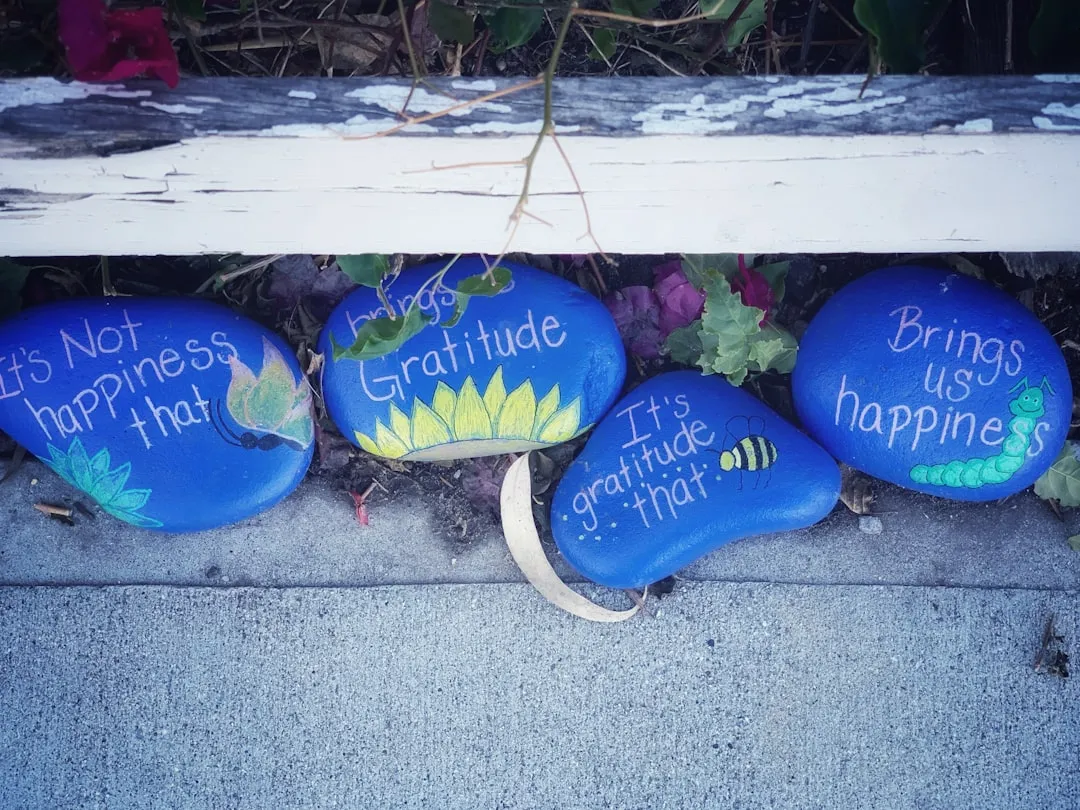
We often operate on a mental autopilot, our attention constantly pulled towards the future – to deadlines, aspirations, hypothetical scenarios – or it drifts to the past, replaying regrets or revisiting cherished memories. The present moment, the only tangible reality we possess, can feel like a fleeting whisper, easily bypassed in the clamor of our thoughts. However, research increasingly underscores a powerful truth: by consciously cultivating gratitude, we can transform this fleeting present into a richly textured experience. This is not about forced cheerfulness or superficial optimism; it is about a deliberate practice that reorients our perception and deepens our engagement with what is happening now.
Our capacity for awareness is not a static feature of our minds; it is a muscle that can be strengthened and honed. Gratitude acts as a potent tool in this process, providing a framework for noticing and appreciating the elements of our current existence. When we actively seek out things for which we are thankful, we are, by definition, paying closer attention to the details of our immediate surroundings and experiences, rather than allowing our minds to wander unchecked.
Shifting the Focus from Scarcity to Abundance
A fundamental mechanism through which gratitude enriches the present is by altering our default perception of scarcity. Our minds are remarkably adept at identifying what is missing, what is wrong, or what could be better. This survival-oriented bias can lead us to perceive our lives as perpetually lacking, even when objectively abundant. Gratitude, however, gently but firmly redirects our attention towards what is present and positive. It is like adjusting the focus on a camera lens; instead of seeing a blurry background of unfulfilled desires, we bring the sharp detail of existing blessings into clear view. This shift is not about denying challenges, but about balancing our perspective.
Enhancing Sensory Perception
When we are grateful, our senses become more attuned to the world around us. The simple act of noticing the warmth of sunshine on our skin, the taste of a meal, or the sound of a loved one's voice can become profound experiences. This heightened sensory awareness is directly linked to our capacity for present-moment engagement. Instead of consuming experiences passively, we begin to savor them. A 2026 Gratitude Practice Guide by Judy Wilkins-Smith highlights how beginning a gratitude practice enhances present-moment awareness by encouraging us to notice simple joys like sunshine or wind. This suggests that gratitude doesn't just make us feel good about the present; it actively makes us perceive it more vividly and deeply.
The Power of "Already"
Gratitude cultivates an appreciation for what is, rather than an endless striving for what could be. This is not to say we should abandon goals or aspirations. Rather, it is about recognizing the value of our current state, the foundation upon which future endeavors are built. When we feel gratitude for the resources, relationships, and opportunities we already possess, we move from a position of perceived deficit to one of perceived abundance. This internal shift can reduce the anxiety associated with future uncertainty and foster a more grounded and content disposition in the here and now.
In exploring the benefits of gratitude, one may find it interesting to consider how other positive practices can enhance our well-being. For instance, the article "What a Glass of Wine a Day Does to Your Body" delves into the potential health benefits associated with moderate wine consumption, which can complement the feelings of appreciation and mindfulness fostered by gratitude. By understanding how both gratitude and mindful indulgence can enrich our present experiences, we can cultivate a more fulfilling life. To read more about this intriguing connection, visit this article.
Rewiring the Brain for Positivity and Resilience
The impact of gratitude extends beyond subjective feelings; it demonstrably influences the very structure and function of our brains. Through consistent practice, we can actively reshape our neural pathways, making positive thinking and emotional regulation more accessible. This is not a passive transformation; it is an active process of self-directed neuroplasticity.
Building Neural Pathways for Positivity
Emerging research provides compelling evidence for the neurobiological underpinnings of gratitude. A 28-week study conducted by Clemson University in 2024 involving first-graders illustrated this point. Through daily 10-15 minute gratitude practices, such as journaling, writing thank-you cards, and creating collages, the children showed boosts in gratitude and well-being. Crucially, the study indicated that these practices were instrumental in building neural pathways associated with positivity. This is akin to laying down new electrical circuits in our brains, making it easier for positive thoughts and emotions to flow and become the default response rather than the exception.
Strengthening Emotional Control and Prefrontal Cortex Activation
Further reinforcing these findings, research from Indiana University utilized brain scan technology (fMRI) to observe the effects of gratitude. Their studies revealed that even a short period of three weeks of gratitude letter writing led to lasting prefrontal cortex activation. The prefrontal cortex is the brain's executive control center, responsible for higher-level cognitive functions, including emotional regulation, planning, and decision-making. Strengthening this area through gratitude practice can lead to improved emotional control, making us less susceptible to impulsive reactions and more capable of navigating challenging emotions with a sense of calm. This is particularly significant for developing adolescent brains, where these neural pathways are still forming and are highly impressionable.
Trauma Recovery and Neural Reorganization
The implications of gratitude practice for trauma recovery are also being explored. By building neural pathways for positivity, gratitude can help individuals to reframe negative experiences and foster a sense of hope and agency. This is not to suggest that gratitude alone can erase trauma, but it can serve as a powerful complementary tool in the healing process by promoting a more balanced emotional landscape and a greater capacity to cope with adversity. The ability to identify and appreciate moments of respite or support, even amidst ongoing difficulties, can be a critical factor in fostering resilience.
Gratitude as an Emotional Catalyst: From Fleeting Feeling to Sustained State
Gratitude is often experienced as a spontaneous emotion, a brief spark of appreciation ignited by a kind gesture or a fortunate circumstance. However, intentional reflection and practice can transform these fleeting moments into a more enduring emotional state, fundamentally altering our disposition and our experience of life.
The Transition from Activity to Living Gratefully
Drs. Sarah Schnitker and Jo-Ann Tsang at Baylor University emphasize the critical distinction between practicing gratitude as an isolated activity and living a life characterized by gratitude. They suggest that intentional reflection is the key to this transition. When we move beyond simply acknowledging a thankful moment to actively reflecting on its significance and implications, we begin to rewire our minds. This process converts gratitude from a transient emotion into a fundamental aspect of our lived experience. It is like turning a single firework display into a sustained aurora borealis, painting the entire sky with color.
Creating a "Grateful Self"
This deliberate reflection fosters the development of a "grateful self." This is an identity where appreciation for the good in our lives becomes a core component. It means that our internal narrative begins to prioritize the recognition of blessings. This shift is not about self-deception or ignoring problems, but about establishing a more balanced and robust internal compass that consistently points towards appreciation. This "grateful self" can then act as a buffer against the corrosive effects of negativity.
The Habit of Noticing
The sustained emotional state of gratitude is built upon the habit of noticing. When we habitually look for things to be grateful for, we train our brains to seek out the positive, much like a detective trains their mind to spot clues. This consistent engagement with appreciation makes it a more readily available resource, accessible even in challenging circumstances. It is the difference between occasionally finding a rare gem and habitually wearing a lens that highlights the sparkle in ordinary stones.
A Reservoir of Resilience: Gratitude in Times of Adversity
Life inevitably presents us with difficulties, periods of stress, and moments of profound challenge. In these times, gratitude does not make the problems disappear, but it can equip us with a powerful set of tools to navigate them with greater fortitude and sustain our well-being. It acts as a vital reservoir of inner strength.
The ARC Model: Gratitude's Role in Coping
According to Dr. Robert Emmons, a leading researcher in gratitude, the Appreciation, Resilience, Community (ARC) model highlights the multifaceted benefits of gratitude, particularly during tough times. Gratitude fosters psychological resilience by helping us to reframe negative events, focus on our strengths, and draw upon positive memories. This is not about minimizing the pain, but about supplementing it with a more comprehensive and hopeful perspective.
Reducing Negativity Bias
Our brains are wired with a negativity bias – a tendency to focus more attention and weight on negative experiences than positive ones. This is an evolutionary advantage that helped our ancestors survive threats. However, in modern life, this bias can lead to excessive worry and a distorted perception of reality. Gratitude acts as an antidote to this bias. By consciously directing our attention to the good, even when surrounded by difficulty, we can begin to recalibrate this imbalance, making us less susceptible to the pervasive influence of negative thoughts.
Fostering Community Ties and Prosocial Behaviors
In times of adversity, social connections become even more critical. Gratitude plays a significant role in strengthening these bonds. When we express gratitude for the support we receive, we not only acknowledge the kindness of others but also reinforce those relationships. This can inspire reciprocity and a sense of mutual support. Furthermore, practicing gratitude often leads to prosocial behaviors – actions that benefit others. Feeling thankful can motivate us to "pay it forward," thereby contributing to a more supportive and connected community, which in turn provides a vital safety net during challenging periods.
In exploring the profound impact of gratitude on our perception of the present moment, one can find further insights in a related article that discusses the simple joys of everyday life. This piece emphasizes how appreciating small details can enhance our overall well-being and mindfulness. For a deeper understanding of how gratitude can transform our experiences, you can read more about it in this article on the significance of appreciating our surroundings here.
The Biochemical Benefits: How Gratitude Influences Our Physiology
The positive effects of gratitude are not solely psychological; they are also reflected in our physiological responses. Scientific studies have demonstrated that gratitude practices can influence our brain chemistry and activate key systems within our bodies that promote relaxation and well-being.
Activating Dopamine and Serotonin Pathways
A recent meta-analysis of 64 trials provides robust evidence for the tangible benefits of gratitude interventions. These interventions have been shown to improve life satisfaction and mental health, significantly reducing symptoms of anxiety and depression. Furthermore, these studies indicated that gratitude practice activates the pathways associated with dopamine and serotonin. Dopamine is a neurotransmitter associated with pleasure and reward, while serotonin is crucial for mood regulation and feelings of well-being. Activating these systems through gratitude effectively provides the brain with natural mood boosters.
Engaging the Parasympathetic Nervous System
Beyond the neurochemical effects, gratitude also has a direct impact on our autonomic nervous system. The meta-analysis also revealed that gratitude interventions activate the parasympathetic nervous system. This is the "rest and digest" branch of our nervous system, responsible for counteracting the effects of stress and promoting relaxation. When the parasympathetic nervous system is engaged, our heart rate slows, our blood pressure decreases, and our bodies enter a state of calm. This physiological shift can be a powerful antidote to the chronic stress that many of us experience, making the present moment feel more tranquil and manageable.
The Cycle of Well-being
The interplay between psychological and physiological benefits creates a virtuous cycle of well-being. As we feel more gratitude, our brains release feel-good chemicals and our bodies relax. This positive physical state, in turn, makes it easier for us to experience more gratitude, further reinforcing the positive feedback loop. This is why consistent gratitude practice can lead to lasting improvements in overall health and happiness. It is not just about how we think; it is also about how our entire being responds to the consistent cultivation of appreciation.
In conclusion, the present moment, often perceived as an ephemeral passing, can be profoundly enriched through the deliberate practice of gratitude. By anchoring our awareness, rewiring our brains for positivity, transforming fleeting emotions into sustained states, building a reservoir of resilience, and influencing our very physiology, gratitude offers us a powerful means to engage more fully with our lives. It is an invitation to shift our focus from what is absent to what is present, from what is lacking to what is abundant, and in doing so, to discover the profound richness that already exists within the here and now.
FAQs
What is gratitude?
Gratitude is the practice of recognizing and appreciating the positive aspects of life, including people, experiences, and things. It involves acknowledging the good in the present moment and expressing thankfulness.
How does gratitude affect the present moment?
Gratitude shifts focus from what is lacking to what is already available, enhancing awareness and appreciation of the current experience. This mindset makes the present feel richer and more fulfilling.
Can practicing gratitude improve mental health?
Yes, regular gratitude practice has been linked to reduced stress, increased happiness, and improved overall mental well-being. It helps individuals cultivate a positive outlook and resilience.
What are common ways to practice gratitude?
Common methods include keeping a gratitude journal, verbally expressing thanks to others, reflecting on positive experiences, and mindful appreciation of everyday moments.
Is gratitude beneficial for relationships?
Absolutely. Expressing gratitude can strengthen social bonds, increase feelings of connection, and promote positive interactions between individuals.