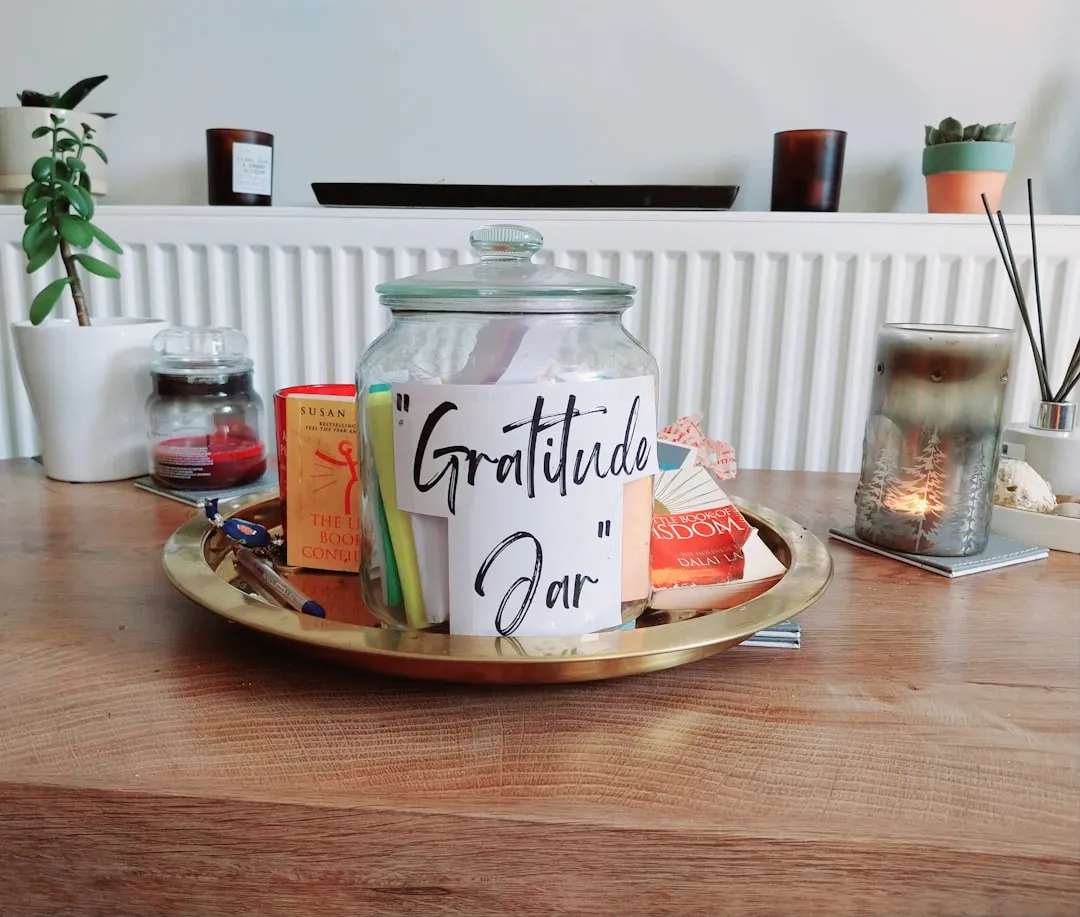
Your mind is a bustling city. Constant traffic of thoughts, honking horns of worries, sirens of anxieties, and the persistent hum of everyday tasks create a cacophony that can leave you feeling overwhelmed and scattered. This is what is often referred to as "mental noise," and it can significantly impede your ability to focus, make decisions, and experience genuine peace. This article will explore how cultivating gratitude can act as a powerful reframing lens, helping you to dial down the volume on this internal chatter and usher in a greater sense of clarity and well-being.
You are likely familiar with the feeling of being bombarded by incessant thoughts, a persistent internal monologue that replays past mistakes, anticipates future problems, or simply churns with trivial concerns. This mental noise is not merely an annoyance; it can drain your energy, contribute to feelings of stress and anxiety, and cloud your judgment. You might find yourself stuck in loops of worry or dwelling on minor irritations that, when amplified by this internal noise, can seem insurmountable. Understanding the mechanisms by which gratitude can mitigate this phenomenon is key to harnessing its transformative potential.
The Nature of Mental Noise
To understand how gratitude reduces mental noise, you must first grasp what this noise entails. Think of your mind as a radio, constantly tuned to various frequencies. Often, the dominant frequencies are those of worry, regret, dissatisfaction, and what-ifs. This internal broadcast can be so loud that it drowns out the subtler, more positive signals.
The Constant Barrage of Thought
You experience a continuous stream of consciousness. While some of this thought activity is crucial for problem-solving and navigating life, much of it can descend into a repetitive and unhelpful cycle. This is particularly true in the modern era, characterized by constant information overload and a pervasive sense of urgency. Your brain, designed for survival, can easily become hypervigilant, scanning for threats and cataloging potential problems.
The Worry Cycle
A significant component of mental noise is the act of worrying. You might find yourself replaying conversations, dissecting past actions, or conjuring worst-case scenarios for the future. This "stuck record" phenomenon, where the same anxious thoughts loop endlessly, is a hallmark of mental noise. It consumes mental resources and leaves little room for positive or productive thinking.
The Annoyance Amplifier
Everyday life is replete with minor irritations: a slow driver, a spilled drink, a miscommunication. Left unchecked, these small annoyances can become amplified by the internal noise, escalating into disproportionate frustrations. You find yourself dwelling on these minor grievances, allowing them to cast a shadow over your day.
The Fight-or-Flight Response in Modern Life
Your brain's limbic system, wired for survival, is constantly on alert for perceived threats. In the absence of immediate physical danger, this system can be triggered by psychological stressors, leading to a state of hyperarousal. This is the physiological undercurrent of much mental noise.
The Sympathetic Nervous System's Role
The sympathetic nervous system, responsible for the "fight-or-flight" response, releases stress hormones like cortisol and adrenaline. These hormones prepare your body for action but also contribute to a heightened state of awareness, making you more susceptible to intrusive thoughts and anxieties. This can feel like a constant buzzing under the surface, a readiness for a problem that may not even exist.
The Impact on Cognitive Function
When your brain is in a state of heightened stress, its capacity for higher-level cognitive functions, such as planning, problem-solving, and creative thinking, can be compromised. You might experience difficulty concentrating, making decisions, or even remembering information. The mental noise effectively jams these essential cognitive channels.
How Gratitude Acts as a Quiet Signal
Gratitude functions as a counter-frequency to the disruptive wavelengths of mental noise. It introduces a different kind of signal, one that is grounding, calming, and expansive. By consciously shifting your focus to appreciate what you have, you begin to alter the dominant narrative in your mind.
Shifting from Survival to Appreciation
The "survival brain" is perpetually scanning for what's wrong. Gratitude, conversely, trains your brain to recognize and value what is right. This is not about denying problems but about acknowledging them within a broader context of positive elements in your life.
Interrupting Rumination Cycles
When you actively engage in gratitude practices, you create a conscious pause in the automatic negative thought processes. This interruption can be enough to break the cycle of rumination. Instead of replaying an upsetting event, you might pause to consider something you are thankful for, redirecting your mental energy. This is akin to hitting the pause button on a stressful movie and switching to a more calming documentary.
Activating the Parasympathetic Nervous System
In contrast to the sympathetic nervous system's activation during stress, the parasympathetic nervous system promotes relaxation and recovery. Gratitude practices have been shown to activate this "rest and digest" system. This physiological shift can lead to a slower heart rate, reduced blood pressure, and a general sense of calm, all of which contribute to a reduction in mental noise.
Cultivating a Positive Emotional Landscape
Gratitude directly influences your emotional state, fostering positive emotions that can effectively buffer against the impact of negative ones. This creates a more resilient and less reactive internal environment.
Boosting Positive Emotions
Regularly acknowledging things you are thankful for can lead to an increase in feelings of joy, contentment, and optimism. These positive emotions are not simply fleeting; they can create lasting shifts in your outlook and make you less susceptible to the corrosive effects of negativity. Imagine these positive emotions as sunlight, gradually dispelling the internal fog.
Reducing Anxiety and Depression Symptoms
Research indicates a significant correlation between gratitude and reduced symptoms of anxiety and depression. By fostering a more positive emotional state and interrupting negative thought patterns, gratitude can act as a protective factor against these mental health challenges. A meta-analysis from 2023, for instance, found that gratitude interventions can lead to a notable reduction in anxiety and depression symptoms.
The Neurological Basis of Gratitude's Impact
The effects of gratitude are not merely subjective; they have a tangible impact on your brain's structure and function. By consistently practicing gratitude, you are, in essence, rewiring your neural pathways.
Laying Positive Neural Pathways
When you repeatedly engage in grateful thinking, you strengthen the neural connections associated with those thoughts. This process is similar to creating a well-trodden path in a forest; the more you use it, the easier it becomes to access.
The Role of Neurotransmitters
Gratitude has been linked to the release of neurotransmitters such as dopamine and serotonin, which are associated with pleasure, reward, and well-being. These neurochemical shifts can contribute to feelings of happiness and reduce the urge to ruminate on negative experiences.
The "Gratitude Brain"
Through consistent practice, you can cultivate what some refer to as a "gratitude brain." This is a brain that is more readily inclined to notice and appreciate the good, making it less susceptible to the constant hum of negativity. This neural plasticity allows you to actively shape your own mental landscape.
Calming the Threat-Scanning Mechanism
Your brain's amygdala is a key component of the threat-detection system. When it's overactive, it contributes significantly to mental noise by constantly flagging potential dangers. Gratitude can help to modulate this response.
Balancing the Brain's Threat-Scanning
By consciously focusing on positive aspects of your life, you provide your brain with evidence that contradicts the perpetual "threat" signals. This helps to balance the activity between the amygdala and the prefrontal cortex, which is responsible for rational thought and executive functions. You are essentially teaching your brain that not everything is a crisis.
Reducing the Fight-or-Flight Response
As mentioned earlier, gratitude can help to quiet the fight-or-flight response. This means that your body is less likely to be in a state of chronic stress, which in turn reduces the background hum of anxiety and worry that contributes to mental noise. You become less reactive to the minor stressors of daily life, allowing for greater mental calm.
Practical Applications: Integrating Gratitude into Your Life
Understanding the benefits of gratitude is one thing; actively integrating it into your daily routine is another. Fortunately, there are numerous practical methods you can employ to harness its power.
Daily Gratitude Practices
Consistency is key when it comes to altering your mental landscape. Incorporating small, regular gratitude practices can yield significant long-term benefits.
Gratitude Journaling
One of the most widely recommended practices is keeping a gratitude journal. Dedicate a few minutes each day to write down three to five things you are thankful for. These can be grand achievements or simple pleasures, such as a good cup of coffee, a sunny day, or a kind word from a stranger. This structured reflection actively trains your brain to seek out the positive.
Mindful Walks and Observations
During your daily walks or commutes, consciously shift your attention to appreciating your surroundings. Notice the beauty of nature, the architecture of buildings, or the simple act of being able to move through the world. This outward focus can help to pull you away from internal rumination.
Expressing Thanks to Others
Actively expressing your gratitude to the people in your life can amplify its effects. A genuine "thank you," a thoughtful note, or a small act of appreciation can not only brighten someone else's day but also reinforce your own sense of thankfulness. This fosters positive social connections, which are themselves protective against mental noise.
Gratitude as an Adjunct to Other Therapies
It is important to note that while gratitude is a powerful tool, it is often most effective when used in conjunction with other forms of support.
Complementing Professional Help
For individuals struggling with significant mental health challenges, gratitude should be viewed as a complementary practice rather than a standalone cure. It can enhance the effectiveness of therapy by fostering a more positive mindset and improving emotional regulation. As a review in Psychology Today in August 2024 noted, gratitude acts as an adjunct to other therapies.
Building Resilience Amidst Stress
When faced with significant life stressors, gratitude can serve as an anchor, providing a sense of stability amidst the chaos. It allows you to acknowledge the difficulties without allowing them to consume your entire mental space. Practices like journaling and taking walks can provide grounding during these challenging times.
The Long-Term Benefits of a Grateful Mindset
The cultivation of gratitude is not a temporary fix; it is a pathway to sustained mental well-being and a reduction in the persistent hum of mental noise.
Enhanced Life Satisfaction and Well-being
Regularly practicing gratitude has been demonstrably linked to higher levels of life satisfaction. When you are more aware of the good in your life, you are generally happier and more content. The 2023 meta-analysis also highlighted a significant increase in life satisfaction among participants in gratitude interventions.
Reduced Psychological Pain and Increased Positivity
By counteracting negative emotions and fostering positive ones, gratitude can significantly reduce psychological pain. This leads to a more balanced emotional state, where positive experiences are more easily recognized and negative ones are less overwhelming. You begin to notice less "static" and more clear signals of joy and peace.
Preventing Mental Decline
Emerging research suggests that gratitude may play a role in preventing cognitive decline. By keeping the mind engaged with positive reflections and fostering a healthier emotional state, it is possible that gratitude contributes to long-term brain health. This adds another layer to its multifaceted benefits.
A Clearer Path to Fuller Living
Ultimately, the reduction of mental noise through gratitude allows you to experience life more fully. When your mind is not constantly clogged with worries and trivialities, you have greater capacity for engagement, creativity, and genuine connection.
Focusing on the Big Positives
Gratitude helps you to clear the clutter of minor annoyances and focus on the larger, more significant positives in your life. This shift in perspective can lead to a greater appreciation for what truly matters and a more purposeful existence. You can see the forest for the trees, and the forest is filled with beauty.
Making Space for Flow and Creativity
When your mind is calm and unburdened by excessive noise, you create the optimal conditions for entering a state of "flow" – a state of complete absorption in an activity. This is where creativity flourishes and productivity soars. Gratitude can help transition you from a survival-driven mode to a more expansive, creative state, as suggested by Judy Wilkins-Smith in 2026. This space allows you to engage with the world not as a series of problems, but as a field of possibilities.
FAQs
What is mental noise?
Mental noise refers to the constant stream of thoughts, worries, and distractions that can clutter the mind and make it difficult to focus or find mental clarity.
How does gratitude help reduce mental noise?
Gratitude shifts attention away from negative or distracting thoughts by focusing on positive aspects of life, which can calm the mind and reduce the intensity of mental noise.
Can practicing gratitude improve mental health?
Yes, regularly practicing gratitude has been shown to improve mental health by decreasing stress, anxiety, and depression, which are often contributors to mental noise.
What are some common ways to practice gratitude?
Common methods include keeping a gratitude journal, expressing thanks to others, meditating on things you are grateful for, and reflecting on positive experiences daily.
Is there scientific evidence supporting the link between gratitude and reduced mental noise?
Yes, research in psychology and neuroscience indicates that gratitude practices can enhance brain function related to emotional regulation and reduce activity in areas associated with stress and negative thinking.