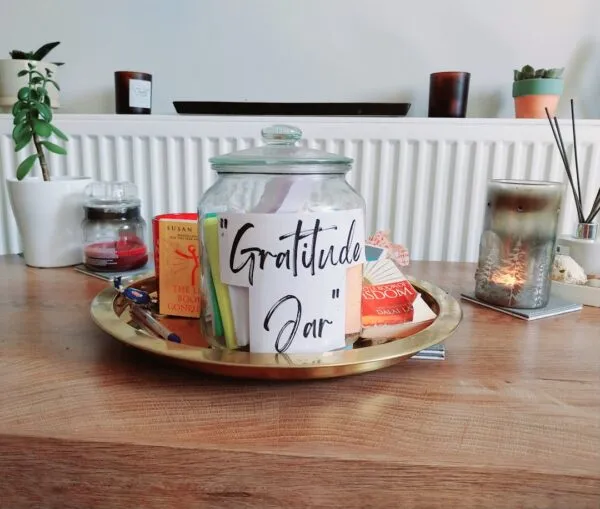
You engage with the concept of gratitude, a widely discussed practice often associated with well-being and positive mental states. While direct research on "why gratitude slows the mind without effort" is not readily available in current literature, examining its documented effects can illuminate potential mechanisms and consequences for your cognitive processes. This exploration will delve into how gratitude, through its impact on attention, rumination, present moment awareness, and emotional regulation, may contribute to a perceived reduction in mental speed, not necessarily as a detriment, but as a shift in cognitive pacing.
When you practice gratitude, your attention undergoes a discernible shift. Your mind, which is often prone to darting from one thought to another – a phenomenon akin to a hummingbird flitting between flowers – begins to anchor itself. Instead of chasing the next stimulus, the future worry, or the past regret, gratitude directs your cognitive resources toward what is currently available and perceived as beneficial. This redirection of focus is the initial step in a process that can lead to a more deliberate and less frenetic mental pace.
Anchoring the Wandering Mind
Your mind, by its nature, is a mobile entity. It can easily drift from the task at hand, pulled by external distractions or internal anxieties. Gratitude acts as an anchor for this wandering consciousness. When you consciously identify things you are thankful for, you are actively choosing to house your thoughts within a specific, positive context. This deliberate act of focusing on the good, however small, constrains the mental space available for other, potentially more disruptive, cognitive processes. It is as if you are building a small, secure harbor for your thoughts, reducing the likelihood of them being tossed about by the vast and often turbulent ocean of external stimuli.
Reducing Cognitive Load from Negativity
A significant portion of your mental energy is often consumed by processing negative information, perceived threats, or unresolved problems. This constant vigilance, a relic of evolutionary survival mechanisms, can create a substantial cognitive load. Gratitude, by actively counteracting this tendency, can alleviate this burden. When you acknowledge and appreciate what you have, the perceived urgency of what you lack or what might go wrong diminishes. This reduction in the perceived threat landscape frees up mental bandwidth, allowing for a less frantic internal discourse. The mind, no longer constantly scanning for dangers or deficiencies, can afford to operate at a more measured pace.
Preoccupation with Problems vs. Appreciation of Solutions
Consider the difference between a mind consumed by problems and a mind occupied with appreciation. The former is characterized by a relentless churn of possibilities for what could go wrong, a mental rehearsal of worst-case scenarios. The latter, fostered by gratitude, focuses on the existing elements of goodness, on solutions already in place, whether they are tangible resources or supportive relationships. This shift from problem-centric processing to appreciation-centric processing inherently changes the nature of mental activity. Instead of a rapid-fire generation of anxieties, there is a more contemplative, often slower, savoring of present realities.
In exploring the concept of gratitude and its effects on the mind, one might find it interesting to consider how other daily habits can influence our mental state. For instance, the article titled "How Coffee Shapes Your Daily Routine" delves into the impact of caffeine on our cognitive functions and overall productivity. Understanding the interplay between gratitude and daily rituals like coffee consumption can provide deeper insights into how we can cultivate a more mindful and balanced life. You can read more about this fascinating connection in the article here: How Coffee Shapes Your Daily Routine.
The Stillness of Reduced Rumination
Rumination, the repetitive and often negative dwelling on thoughts, feelings, or experiences, is a significant driver of mental agitation. It is the mental equivalent of endlessly replaying a contentious conversation or a perceived failure. Gratitude acts as an antidote to this cycle. By encouraging a focus on positive aspects of your life, it can disrupt the pathways that lead to unproductive self-inquiry and worry.
Disrupting the Cycle of Negative Self-Talk
Negative self-talk is a common hallmark of a racing mind. It is the internal critic, constantly pointing out flaws and shortcomings. Gratitude, by its very nature, is a counter-narrative. It provides a consistent stream of evidence that challenges this internal negativity. When you cultivate a grateful perspective, you are actively constructing a more benevolent internal dialogue. This doesn't necessarily mean your inner critic disappears entirely, but its volume can be significantly turned down. The energy that was once channeled into self-criticism is now reallocated to acknowledging positive aspects, leading to a less agitated internal monologue.
Reframing Setbacks and Imperfections
Life inevitably presents challenges and imperfections. A mind accustomed to rumination might fixate on these negatives, magnifying their impact. Gratitude offers a different lens. It allows you to acknowledge difficulties while simultaneously recognizing the lessons learned, the support received, or simply the resilience demonstrated in overcoming them. This reframing process is not about ignoring problems, but about contextualizing them within a broader landscape of positive experiences and personal strengths. The mental energy spent on lamenting what is wrong is partially redirected towards appreciating what remains right, or what has been gained through the struggle. This can lead to a more balanced and less emotionally charged assessment of situations.
The Comparative Nature of Contentment
Gratitude inherently involves a degree of comparison, but not in the acrimonious sense of envy or inadequacy. Instead, it can foster a sense of contentment by highlighting what you possess in relation to potential lacks. This is not about resignation, but about appreciating the existing provisions. When you recognize the abundance, however modest, in your life, the compulsive urge to acquire more, to chase elusive future comforts, can be lessened. This reduced drive for external validation and acquisition can translate into a calmer, more settled mental state, where the frantic pursuit of "more" is replaced by the quiet appreciation of "enough."
Cultivating Present Moment Awareness
A hallmark of an anxious or overactive mind is its tendency to be either preoccupied with the past or consumed by anxieties about the future. Gratitude, grounded in the present moment, naturally pulls your consciousness into the "here and now." By focusing on what you can appreciate right now, you are inherently rooting yourself in the present.
The "Now" as a Haven from Past and Future
The past is unchangeable, and the future is uncertain. Dwelling on either can be a significant source of mental distress. Gratitude, however, directs your attention to what is occurring in the present moment, which is the only moment over which you have direct influence. When you take a moment to appreciate the warmth of the sun on your skin, the taste of your morning coffee, or the presence of a loved one, you are actively bringing your awareness into the present. This conscious grounding in the present can act as a much-needed respite from the mental churn of past regrets and future worries. It is like stepping out of a raging river and onto a firm bank, allowing you to regain your footing.
Mindfulness Through Appreciation
The practice of gratitude often overlaps with the principles of mindfulness. Both encourage paying attention to your experiences without judgment. When you are grateful for something, you are observing it with a heightened sense of awareness, noticing its qualities and its positive impact. This mindful appreciation can slow down your perception of time and your internal processing. Instead of rushing through experiences, you are more inclined to savor them, to notice the details. This deliberate engagement with the present can foster a sense of calm and reduce the subjective sensation of time accelerating due to constant cognitive demands.
The Sensory Richness of the Present
Your senses are the primary conduits to the present moment. Gratitude often reawakens your awareness of these sensory inputs. You may find yourself more attuned to the vibrant colors of a sunset, the intricate patterns of a leaf, or the subtle nuances of a piece of music. This increased sensory engagement grounds you in the physical reality of the present, diverting mental energy from abstract anxieties to concrete, observable phenomena. The richness of sensory experience can become a powerful anchor, making the mind less prone to drifting into unproductive trains of thought.
Emotional Regulation and Cognitive Stability
Gratitude has a profound impact on your emotional landscape, which in turn influences your cognitive processes. By fostering positive emotions and mitigating negative ones, gratitude can contribute to a more stable and less reactive mental state.
Buffering Against Stress and Anxiety
Stress and anxiety are potent accelerators of mental activity. When you are stressed, your mind often goes into overdrive, generating a cascade of worries and potential negative outcomes. Gratitude acts as a buffer against these overwhelming emotions. By cultivating a sense of thankfulness, you can shift your emotional baseline towards contentment and resilience. This doesn't mean problems disappear, but your capacity to cope with them without being consumed by them is enhanced. When your emotional system is more regulated, your cognitive system is less likely to be hijacked by panic or fear, allowing for more measured thought processes.
The Impact of Positive Affect on Decision-Making
Research suggests that positive emotions, often cultivated through gratitude, can broaden your cognitive scope and improve your decision-making abilities. Instead of being narrowly focused on immediate threats or perceived losses, a grateful mindset can allow you to consider a wider range of options and potential outcomes. This broader perspective, coupled with a more stable emotional state, can lead to less impulsive and more considered choices. The frantic pressure to make a "right" decision under duress is lessened, allowing for a more deliberate evaluation process.
Reducing the Urgency of Immediate Gratification
A mind driven by scarcity or unmet desires can be excessively focused on immediate gratification. This can lead to a frantic internal dialogue, a constant seeking of quick fixes. Gratitude, by cultivating an appreciation for what is already present, can reduce the perceived urgency of immediate rewards. You are less likely to feel the compulsive urge to chase fleeting pleasures when you acknowledge the enduring sources of satisfaction in your life. This shift from reactive seeking to appreciative savoring can create a sense of mental spaciousness and reduce the perceived need for rapid cognitive responses.
In exploring the intriguing concept of how gratitude can slow the mind without effort, one might find it beneficial to read a related article that delves into the emotional and psychological benefits of gratitude practices. This article highlights the transformative power of appreciating simple moments, which can lead to a more mindful existence. You can find more insights on this topic in the article about the significance of gratitude in daily life, available here.
The Effortless Nature of the Shift
The "without effort" aspect of gratitude's effect on the mind is particularly intriguing. It suggests that this slowing is not a task to be arduously undertaken, but rather a natural consequence of engaging in the practice.
Gratitude as a Cognitive Habit
When gratitude becomes a habit, its effects can feel effortless. Like any practiced skill, from playing a musical instrument to driving a car, the conscious mental effort required diminishes over time. Initially, you might consciously list things you are thankful for, a deliberate act requiring focus. However, as this becomes ingrained, the mindset of appreciation can become more automatic. You might find yourself noticing moments of gratitude throughout the day without a specific prompting, as if your mind has been rewired to recognize these positive instances. This automaticity is key to the "without effort" quality.
Reallocating Mental Resources
The "slowing" is not a cessation of thought, but rather a reallocation of mental resources. Instead of expending significant energy on anxiety, problem-solving in a deficit-focused manner, or chasing future desires, gratitude directs this energy towards appreciating the present. This redirection can feel effortless because it taps into a more naturally occurring positive feedback loop. The brain's reward systems are activated by appreciation, making the act itself feel less like a chore and more like a natural inclination. This is akin to how breathing becomes effortless once it is a well-established biological function.
The Unburdening Effect
Ultimately, the perceived slowing of the mind is a consequence of unburdening. When you are less burdened by anxieties, regrets, and the constant pressure to achieve or acquire, your mind naturally moves at a less frenetic pace. Gratitude, by systematically addressing these burdens, allows your cognitive system to operate with less friction. It is like removing unnecessary weight from a system, allowing it to function more smoothly and at a less demanding speed. The absence of this internal friction is what makes the shift feel "effortless."
FAQs
What does it mean that gratitude slows the mind?
Gratitude slowing the mind refers to the calming effect that feeling thankful has on mental activity. It helps reduce racing thoughts and promotes a state of peaceful awareness without requiring conscious effort.
How does gratitude affect brain function?
Gratitude activates areas of the brain associated with emotional regulation and positive feelings, such as the prefrontal cortex. This activation can decrease stress-related activity and encourage a slower, more reflective mental state.
Is practicing gratitude difficult or time-consuming?
No, practicing gratitude is generally simple and does not require significant time or effort. It can be as easy as mentally acknowledging things you appreciate, which naturally helps slow the mind.
Can gratitude improve mental health?
Yes, regularly practicing gratitude has been linked to reduced anxiety and depression, improved mood, and better overall mental well-being by fostering a calm and positive mindset.
Are there scientific studies supporting the effects of gratitude on the mind?
Yes, numerous psychological and neuroscientific studies have demonstrated that gratitude practices can lead to decreased stress, enhanced emotional regulation, and a slower, more focused mental state.