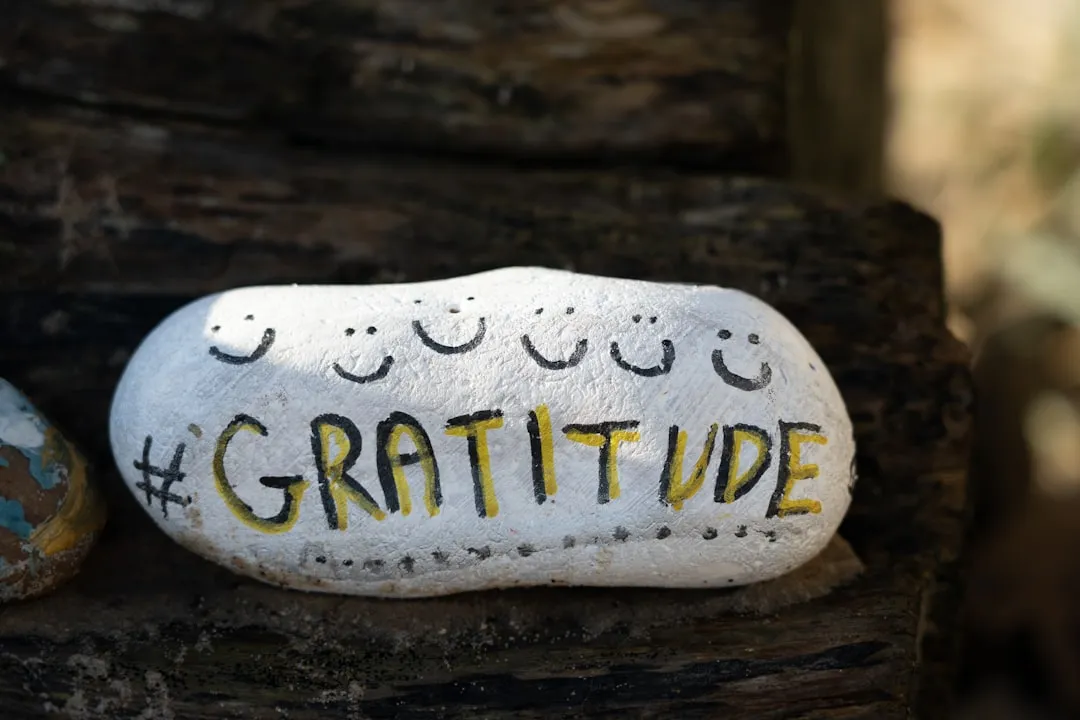
You have likely experienced it. A simple "thank you," a thoughtful note, or a heartfelt compliment can resonate long after the immediate exchange has passed. These are not mere fleeting pleasantries; they are expressions of gratitude that possess a remarkable ability to outlive the moment of their utterance. Understanding why this phenomenon occurs requires an exploration of the psychological, social, and even neurobiological underpinnings that grant these words their enduring power.
The human brain is not a passive recipient of information. Instead, it actively processes and stores experiences, and expressions of gratitude are no exception. When you receive a genuine acknowledgment of your contribution or kindness, your brain registers this information in a way that differs from neutral or negative stimuli. This is not to say that negative experiences are forgotten, but rather that positive reinforcement, like gratitude, can create stronger and more lasting cognitive traces.
Memory Encoding and Retrieval
The act of receiving gratitude triggers specific neural pathways associated with reward and social connection. Dopamine, a neurotransmitter linked to pleasure and motivation, is released when we feel appreciated. This neurochemical response can enhance memory encoding, essentially making the moment of gratitude more vivid and memorable. Think of it like a highlighter being applied to a particular event in the timeline of your life. The more positive reinforcement associated with an experience, the more likely it is to be retrieved from long-term memory. This is not an emotional embellishment; it is a fundamental aspect of how our brains prioritize and retain significant social interactions.
The Primacy and Recency Effects in Gratitude
While not exclusively a phenomenon of gratitude, the primacy and recency effects can amplify its lasting impact. The primacy effect suggests that information presented at the beginning of a sequence is often better remembered. Similarly, the recency effect states that information presented at the end of a sequence is also more easily recalled. When an expression of gratitude occurs at a pivotal point in an interaction – perhaps at the beginning of a collaboration or as a concluding remark after a significant effort – it benefits from these memory biases. It becomes a foundational element or a strong closing statement, inherently more likely to stick in your mind.
Social Cohesion as a Memory Anchor
Gratitude also serves as a crucial mechanism for social bonding. When you express gratitude, you are reinforcing the social contract, signaling that the other person's actions have been noticed and valued. This recognition fosters a sense of belonging and strengthens interpersonal ties. From a cognitive perspective, memories that are tied to social relationships tend to be more robust. We are social beings, and our brains are wired to remember interactions that contribute to our social well-being. Acknowledging someone's positive impact on you creates a shared experience, an emotional anchor that makes the memory of that gratitude more durable. It's akin to building a sturdy bridge between two individuals, a bridge that can withstand the passage of time.
The Emotional Resonance of Being Valued
Beyond cognitive processing, gratitude words resonate on a deeper emotional level. The feeling of being seen, appreciated, and valued is a fundamental human need. When this need is met through expressed gratitude, the emotional impact can be profound and long-lasting, influencing your outlook and future behavior.
The Ripple Effect of Positive Emotions
The release of endorphins and oxytocin, often associated with feelings of happiness and connection, can accompany expressions of gratitude. These "feel-good" neurochemicals do not simply dissipate; they can create a lasting positive emotional residue. This residue can act as a buffer against stress and negativity, influencing your perception of future events. A past moment of genuine appreciation can serve as a reservoir of positive emotion that you can draw upon during challenging times. It's not about forgetting hardships, but about having a wellspring of good feelings to draw from, a sort of emotional armor.
The Impact on Self-Perception
When someone expresses gratitude towards you, it can significantly impact your self-perception. It validates your efforts, your intentions, and your value. This validation can boost your self-esteem and confidence. This strengthened sense of self-worth is not a temporary boost; it can become a stable aspect of your identity, influencing how you approach new tasks and interact with others. You begin to see yourself as someone capable of making a positive contribution, a belief that can shape your future actions and endeavors. Experiencing gratitude can be like a gentle sculptor, subtly reshaping your view of your own capabilities and worth.
Building Resilient Emotional Frameworks
Consistent experiences of receiving gratitude can contribute to the development of more resilient emotional frameworks. When you have a history of positive reinforcement for your actions, you are less likely to be thrown off balance by setbacks. The memory of being appreciated serves as a reminder of your strengths and your ability to positively impact others. This can foster a more optimistic outlook and a greater capacity to cope with adversity. It's like planting a garden of positive experiences; even in the face of a harsh winter, the seeds of past warmth lie dormant, ready to bloom again.
The Social Architecture Built by Gratitude
Gratitude is not merely an individual experience; it is a powerful force that shapes social interactions and contributes to the construction of robust social architectures. The words you speak, and the words spoken to you, build the very fabric of your relationships.
Strengthening Interpersonal Bonds
At its core, gratitude is a social lubricant. Expressing thanks acknowledges the interdependence between individuals and reinforces the value of cooperation. When you express gratitude, you are not just saying "thank you"; you are saying "I see you, I value your contribution, and I appreciate our connection." This acknowledgment strengthens the bonds between people, fostering trust and mutual respect. These strengthened bonds make future interactions smoother and more productive, creating a positive feedback loop of social connection. Think of it as laying down bricks of trust and shared experience, building a wall that protects and supports your relationships.
The Reciprocity of Appreciation
The principle of reciprocity is deeply ingrained in human behavior. When you receive kindness and express gratitude, it often inspires a desire to reciprocate that kindness in the future. This "paying it forward" dynamic is a testament to the enduring power of appreciation. A single act of gratitude can initiate a chain reaction of positive exchanges, spreading goodwill and fostering a more supportive community. The memory of receiving gratitude acts as a gentle nudge, encouraging you to offer similar gestures to others. It's a boomerang effect of positivity, where good deeds, once thrown, have a tendency to return.
The Influence on Group Dynamics
In group settings, consistent expressions of gratitude can significantly improve team morale, collaboration, and overall performance. When individuals feel that their contributions are recognized and appreciated, they are more likely to be engaged, motivated, and willing to go the extra mile. This fosters a more positive and productive group dynamic, where individuals feel that they are part of something larger than themselves. The memory of shared appreciation within a group can become a powerful unifying force, strengthening the collective identity and purpose. It's like all members of an orchestra playing in harmony; the shared understanding of each other's contribution creates a beautiful and enduring symphony.
The Neurobiological Underpinnings of Enduring Gratitude
While abstract concepts like memory and emotion are crucial, the lasting impact of gratitude also has identifiable neurobiological correlates. Research in neuroscience provides insights into why these expressions can leave such a mark on our brains.
The Amygdala and Emotional Tagging
The amygdala, a region of the brain involved in processing emotions, plays a role in assigning emotional significance to experiences. When you receive a genuine expression of gratitude, the amygdala is activated. This activation can "tag" the memory with a positive emotional valence, making it more salient and easier to recall. This emotional tagging is like a bookmark placed in the book of your experiences, flagging the moments that held significant emotional weight. This process ensures that emotionally potent events are not easily lost in the shuffle of daily life.
The Prefrontal Cortex and Future Planning
The prefrontal cortex, responsible for executive functions such as decision-making, planning, and social behavior, is also influenced by gratitude. Experiencing and expressing gratitude can lead to increased activity in areas of the prefrontal cortex associated with prosocial behavior and long-term planning. This means that the positive feelings generated by gratitude can influence not just your immediate response but also your future course of action. You become more inclined to seek out or contribute to situations where appreciation is likely to be a factor, effectively shaping your future experiences based on past positive reinforcement. It's like the architect of your future self, subtly guiding your choices based on the blueprints of past positive interactions.
The Role of Oxytocin in Social Bonding and Memory
Oxytocin, often referred to as the "bonding hormone," is released during positive social interactions, including those involving gratitude. It plays a crucial role in fostering trust, empathy, and attachment. The presence of oxytocin can enhance memory consolidation, particularly for social information. This neurochemical influence helps cement the memory of the grateful exchange, making it more resistant to forgetting. It's the invisible glue that binds social experiences to your memory, ensuring that the connections forged through appreciation remain strong.
The Transformative Power of Consistent Gratitude Practices
The enduring impact of gratitude words is not solely dependent on isolated moments. Cultivating a consistent practice of gratitude can amplify these effects, embedding them more deeply into your psyche and shaping your overall disposition.
Gratitude Journals and Daily Reflections
Engaging in practices like keeping a gratitude journal or dedicating a few minutes each day to reflect on what you are thankful for can systematically reinforce positive memories and emotions. This deliberate act of focusing on the positive acts as a constant re-calibration of your internal compass, steering you towards a more appreciative outlook. Each entry in a gratitude journal is like a small seed of appreciation being planted, and with consistent watering, it grows into a thriving garden of thankfulness. This process transforms abstract appreciation into a tangible habit.
Shifting Your Focus and Perception
By actively seeking out and acknowledging things for which you are grateful, you begin to shift your overall focus and perception. The world doesn't necessarily change, but your lens through which you view it does. This proactive approach to gratitude can alter your interpretation of events, making you more inclined to find the positive even in challenging circumstances. It’s like acquiring a pair of specialized eyeglasses that highlight the good in your surroundings, making those elements more visible and memorable.
The Generational Transmission of Values
The consistent practice and expression of gratitude can also have a ripple effect beyond the immediate individual, influencing the values transmitted across generations. When children witness and experience consistent gratitude, they learn its importance and are more likely to integrate it into their own lives. This intergenerational transmission ensures that the power of appreciation continues to shape relationships and communities over time. It's a legacy of positivity, a cultural inheritance that empowers future generations with a tool for building stronger connections and more fulfilling lives. The words of appreciation spoken today can echo through the lives of those yet to come, a testament to their enduring power.
FAQs
What does it mean that gratitude words outlive the moment?
It means that expressions of gratitude have a lasting impact beyond the immediate situation. Saying thank you or showing appreciation can create positive memories and strengthen relationships over time.
Why are gratitude words considered powerful?
Gratitude words are powerful because they foster positive emotions, improve mental well-being, and encourage social bonding. They can enhance feelings of happiness and promote a culture of kindness and respect.
How do gratitude words affect relationships?
Gratitude words help build trust and deepen connections between people. Regularly expressing thanks can improve communication, reduce conflicts, and increase mutual appreciation in personal and professional relationships.
Can expressing gratitude improve mental health?
Yes, expressing gratitude has been linked to reduced stress, increased optimism, and better overall mental health. It encourages a focus on positive experiences and can help combat negative emotions like envy and resentment.
Are there any scientific studies supporting the lasting effects of gratitude?
Numerous studies in psychology have shown that practicing gratitude leads to long-term benefits such as increased life satisfaction, stronger social ties, and improved emotional resilience. These findings support the idea that gratitude words have enduring effects.