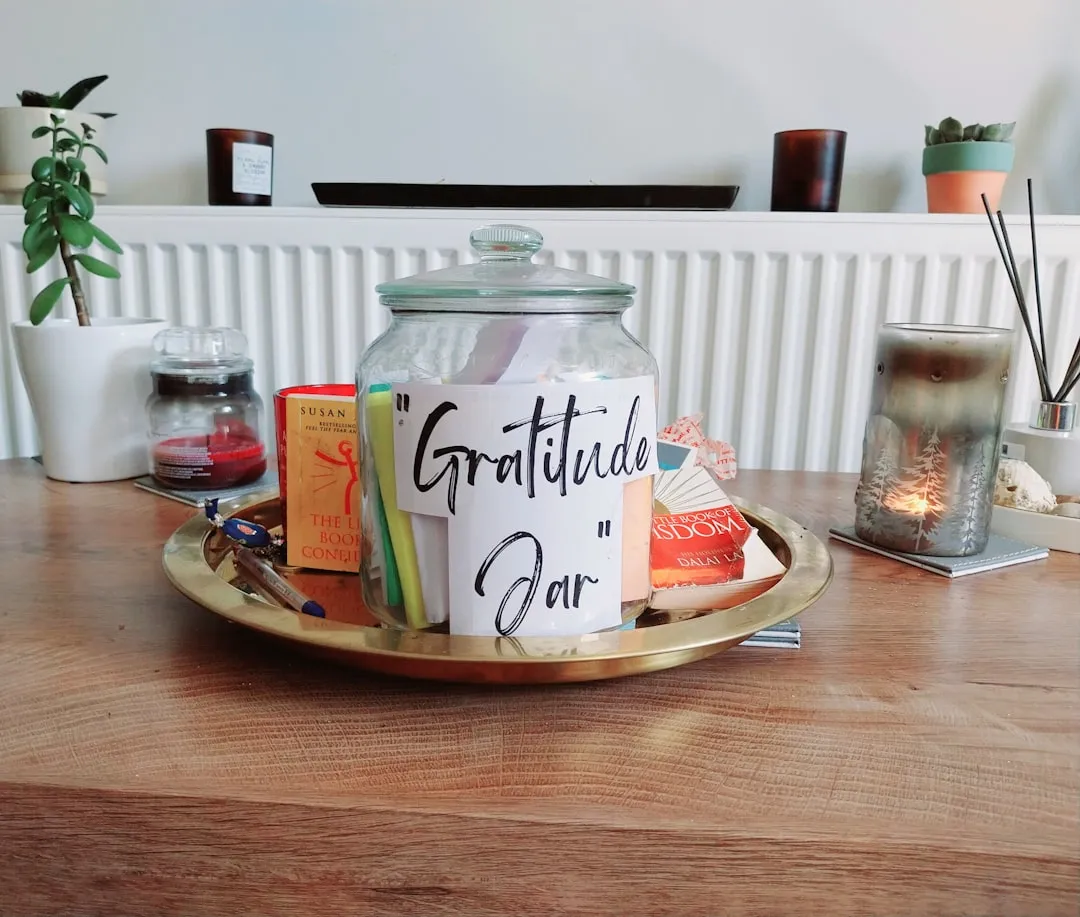
You frequently encounter advice advocating for gratitude, especially during challenging periods. While the concept might initially seem counterintuitive when faced with adversity, a substantial body of research and anecdotal evidence suggests that gratitude offers significant, internal benefits, even if external circumstances remain unchanged. This article explores the mechanisms by which gratitude operates as a powerful psychological tool, irrespective of your current situation.
Gratitude is not merely a pleasant emotion; it is a complex cognitive and affective process that can fundamentally alter your perception of reality. You might view it as turning dross into gold, not by changing the inherent nature of the dross, but by changing your internal relationship with it.
Shifting Focus and Attention
Your mind possesses a finite capacity for attention. When preoccupied with stressors, deficiencies, or what is lacking, your awareness narrows. Gratitude actively redirects this focus. Instead of dwelling on the empty portion of a glass, you are encouraged to acknowledge the portion that contains water. This shift is not about denial of the empty part but an intentional redirection of mental resources.
- Pattern Recognition: Consistent practice of gratitude trains your brain to identify positive elements in your environment, even subtle ones. Over time, you develop a "gratitude lens" through which you filter your experiences, making you more attuned to abundance rather than scarcity.
- Cognitive Reframing: Gratitude facilitates cognitive reframing, a psychological technique where you reinterpret challenging situations in a more constructive light. For instance, a cancelled plan might be reframed as an unexpected opportunity for rest or an activity you postponed. This reframing doesn't alter the external event but significantly changes your internal response to it.
Reducing Rumination and Negative Thought Cycles
Rumination, the repetitive dwelling on negative thoughts or situations, is a significant contributor to stress, anxiety, and depression. Gratitude acts as a direct counter-agent to this process. By actively seeking out and acknowledging positive aspects, you interrupt the negative feedback loops that fuel rumination.
- Interrupting Worry Loops: When you consciously express gratitude, you introduce a positive interruption into a cycle of worry. This mindful act can disrupt the automatic cascade of negative thoughts, providing a cognitive "circuit breaker."
- Creating Mental Distance: By shifting your focus, gratitude allows you to create a degree of mental distance from your problems. This distance doesn't diminish the problem itself but reduces its immediate emotional impact, giving you space to approach it with a clearer perspective.
In exploring the concept of gratitude and its profound effects on well-being, a related article titled "The Ultimate Guide to Working from Home" offers valuable insights into how cultivating a grateful mindset can enhance productivity and satisfaction in remote work environments. This guide emphasizes the importance of gratitude in maintaining a positive outlook, especially when facing the challenges of working from home. For more information, you can read the article here: The Ultimate Guide to Working from Home.
The Internal Energy Source
Professor Robert Emmons, a leading researcher in the field of gratitude, highlights its capacity to "energize" individuals. This energy is not a physical stimulant but a psychological wellspring that supports resilience and motivation, even when external circumstances deplete your physical and emotional reserves.
Boosting Resilience in Adversity
Resilience is your capacity to recover from or adjust easily to misfortune or change. Gratitude strengthens this capacity by providing an internal scaffolding that supports you amidst life's pressures.
- Emotional Fortification: When you cultivate gratitude, you build emotional reserves. This is akin to having a psychological emergency fund. During times of crisis, you can draw upon this internal reservoir of positive emotion and perspective, allowing you to weather storms without succumbing to despair.
- Adaptive Coping Mechanisms: Grateful individuals often develop more adaptive coping mechanisms. Instead of engaging in maladaptive strategies like avoidance or substance abuse, you are more likely to seek constructive solutions, maintain social connections, and engage in self-care. This is because gratitude fosters a sense of agency and optimism, encouraging proactive problem-solving.
Amplifying Positive Experiences
Even fleeting positive experiences can be magnified and retained through the lens of gratitude. You've likely experienced a beautiful sunset or a kind gesture. While these moments are transient, gratitude allows you to savor them, extending their emotional impact.
- Savoring and Mindfulness: Gratitude compels you to be present and savor positive moments. This mindful attention to the good, however brief, enhances its vividness and emotional resonance. It's like taking a single drop of water and consciously appreciating its clarity and coolness, rather than letting it merge unnoticed with a vast ocean.
- Creating a Positive Memory Bank: Regularly acknowledging positive experiences builds a personal "bank" of emotionally resonant memories. When faced with difficulties, you can draw upon these stored positive experiences to remind yourself of goodness and possibility, fostering a more balanced perspective.
Cultivating a Better Self
Charlotte, in her content marketing YouTube video, articulates that gratitude makes you "a better person without external validation." This speaks to the profound personal transformation that occurs when you consistently integrate gratitude into your daily life.
Enhancing Empathy and Compassion
When you focus on the positive aspects of your life and the contributions of others, it naturally expands your capacity for empathy and compassion. You become more attuned to the interconnectedness of your experiences and the inherent value in others.
- Recognizing Interdependence: Gratitude often arises from recognizing the contributions of others to your well-being, whether directly or indirectly. This awareness cultivates a sense of interdependence, leading to an increased appreciation for human connection and a reduced sense of isolation.
- Moving Beyond Self-Preoccupation: By actively recognizing blessings that extend beyond your immediate circumstances, you lessen self-preoccupation. This outward focus naturally fosters a greater concern for others and a desire to contribute positively to the collective well-being.
Fostering Generosity and Forgiveness
Professor Emmons' research indicates that grateful people tend to be more generous and forgiving. This connection is not coincidental; gratitude cultivates a mindset that is conducive to these prosocial behaviors.
- Motivation for Reciprocity: When you acknowledge the gifts and benefits you receive, a natural inclination often arises to "pay it forward." This isn't necessarily a transactional exchange but a desire to contribute to the positive cycle you feel a part of. Generosity becomes a natural outflow of a grateful heart.
- Releasing Resentment: Forgiveness, both of others and of yourself, is facilitated by gratitude. When you focus on what you possess rather than what you lack or what has been taken from you, the emotional space for resentment diminishes. Gratitude provides an alternative narrative, one that acknowledges growth, learning, and the potential for new beginnings.
The Daily Practice of Gratitude
The efficacy of gratitude, even when external circumstances remain stagnant, lies in its consistent application. It is not a one-time magical elixir but a daily regimen that strengthens your psychological immune system.
Developing a Gratitude Routine
Incorporating gratitude into your daily life doesn't require grand gestures; small, consistent practices yield significant results. Think of it as a mental fitness routine.
- Gratitude Journaling: Dedicate a few minutes each day to writing down things you are grateful for. This practice forces you to actively seek out positive elements, no matter how small. Be specific; instead of "I’m grateful for my family," consider "I’m grateful for the specific conversation I had with my sibling today."
- Mindful Appreciation: Throughout your day, consciously pause and acknowledge moments of gratitude. This could be for a warm cup of coffee, the sun on your face, or a moment of quiet. These micro-moments accumulate, building a broader sense of appreciation.
- Expressing Thanks: Make it a point to verbally or in writing express gratitude to others. This not only reinforces your own grateful sentiments but also strengthens social bonds, creating a positive feedback loop.
Overcoming the "When-Then" Trap
You often fall into the "when-then" trap: "When I get that promotion, then I'll be happy," or "When my problems disappear, then I'll feel grateful." Gratitude, however, operates outside this linear model. It posits that you can experience contentment and cultivate positive emotions now, independent of future outcomes.
- Present Moment Focus: Gratitude anchors you in the present moment, allowing you to find value and meaning in your current reality, rather than deferring happiness to a hypothetical future. This is particularly crucial when desired future states seem distant or unattainable.
- Internal Validation: By focusing on what you possess and appreciating your internal resources, gratitude shifts your source of validation from external achievements orcircumstances to an internal sense of well-being. This independence from external validation is a cornerstone of robust mental health.
In exploring the concept of gratitude and its profound effects on well-being, you might find it interesting to read about how simple changes in our environment can also enhance our mood and perspective. For instance, incorporating stylish decor elements can create a more uplifting atmosphere in our homes, which complements the practice of gratitude. You can learn more about this in the article on how to add a stylish touch to your home decor by visiting this link. By combining gratitude with a pleasing environment, we can further enrich our emotional experiences.
Empirical Evidence Supporting Gratitude's Efficacy
The assertion that gratitude works, even without external changes, is not merely a philosophical notion but is supported by a growing body of scientific research. Robert Emmons' extensive work, spanning over 15 years, has consistently demonstrated the tangible benefits of a grateful disposition.
Physiological and Psychological Benefits
Research indicates that gratitude positively impacts various physiological and psychological markers, transcending mere subjective feeling.
- Improved Sleep Quality: Studies have linked gratitude practices to better sleep. When your mind is less consumed by negative thoughts and worry, it can transition more easily into restful sleep.
- Reduced Stress Hormones: The practice of gratitude has been associated with lower levels of cortisol, the primary stress hormone. By mitigating stress, gratitude indirectly contributes to overall physical health and well-being.
- Enhanced Social Bonds: As previously mentioned, expressing and receiving gratitude strengthens relationships. Strong social connections are a known protective factor against mental illness and contribute significantly to overall happiness and life satisfaction.
- Increased Optimism: Grateful individuals tend to exhibit higher levels of optimism. This is a crucial element for navigating challenges, as an optimistic outlook fuels perseverance and problem-solving rather than resignation.
- Lower Rates of Depression and Anxiety: Consistent gratitude practices have been shown to correlate with reduced symptoms of depression and anxiety. By actively focusing on positive aspects and interrupting negative thought patterns, gratitude acts as a deterrent against these common mental health challenges.
Long-Term Impact on Well-being
The long-term effects of cultivating gratitude are profound, contributing to a more fulfilling and meaningful life, irrespective of the external landscape.
- Greater Life Satisfaction: Individuals who regularly practice gratitude report higher levels of life satisfaction. This doesn't mean they are free from problems, but rather that their overall assessment of their lives is more positive and resilient.
- Purpose and Meaning: Recognizing the interconnectedness of life and the contributions of others often instills a greater sense of purpose and meaning. When you appreciate what you have, you are often more motivated to contribute to something larger than yourself.
- Adaptive Responses to Trauma: Professor Emmons specifically highlights that grateful people are more resilient to trauma. This is not to say that gratitude negates the pain of trauma, but it provides a framework within which individuals can process their experiences, find elements of growth, and eventually move forward. It allows for the integration of difficult experiences into a broader, more hopeful narrative.
In conclusion, you possess a powerful internal mechanism—gratitude—that can fundamentally alter your subjective experience of life. Even when your circumstances remain mired in difficulty, the deliberate cultivation of gratitude offers a pathway to increased resilience, enhanced well-being, and a more positive disposition. It is a testament to the internal capacity of the human mind to find light even in the darkest of valleys, not by changing the valley itself, but by changing how you perceive and navigate its terrain. Embrace this internal alchemy, and you will discover that profound transformations begin from within, irrespective of the world outside your window.
FAQs
What is gratitude and how is it defined?
Gratitude is the quality of being thankful and showing appreciation for what one has. It involves recognizing and acknowledging the positive aspects of life, whether big or small, and expressing thanks for them.
How does practicing gratitude affect mental health?
Practicing gratitude has been shown to improve mental health by increasing feelings of happiness and reducing symptoms of depression and anxiety. It helps shift focus from negative thoughts to positive ones, fostering a more optimistic outlook.
Can gratitude have benefits even if external circumstances do not change?
Yes, gratitude can improve well-being even when external situations remain the same. By changing one’s perspective and focusing on what is good, gratitude can enhance emotional resilience and satisfaction without requiring changes in life circumstances.
What are common ways to practice gratitude?
Common methods include keeping a gratitude journal, regularly writing down things one is thankful for, expressing thanks to others verbally or in writing, and mindfulness practices that focus on appreciating the present moment.
Is there scientific evidence supporting the effectiveness of gratitude?
Yes, numerous studies in psychology have demonstrated that gratitude practices can lead to improved mood, better sleep, stronger relationships, and overall increased life satisfaction. These benefits occur even when external conditions remain unchanged.