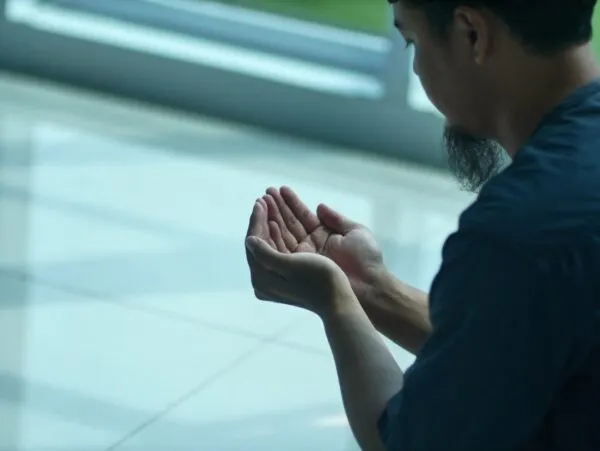
You might find yourself standing at a precipice, the wind of hardship whipping around you, and the familiar ache of pain a constant companion. In such moments, the platitudes of simple "thankfulness" can feel like shallow broadcasts in a hurricane. Yet, the human experience is rarely so binary, and the capacity for gratitude is remarkably resilient, even when interwoven with sorrow. This exploration delves into how you can articulate and practice gratitude without negating the existence or impact of pain.
You are a vessel of complexities, capable of holding both profound joy and deep suffering simultaneously. The notion of gratitude is often presented as a bright, unblemished beacon, a sunlit clearing in a dark forest. However, your reality may be more akin to a dappled woodland, where shafts of light pierce through the canopy of challenges, illuminating moments of grace amidst the shadows. To acknowledge this duality is not to diminish the power of gratitude, but to situate it within a more accurate and comprehensive understanding of human flourishing.
Gratitude as an Anchor, Not an Eraser
Consider gratitude not as a force that erases pain, but as an anchor that secures you in its midst. When the waves of adversity threaten to capsize your spirit, gratitude can be the sturdy rope you cling to, providing a point of stability. This perspective, as articulated by sources like Carnegie Mellon University's College of Fine Arts dean, suggests that pain can, in fact, become a pathway to something else. It is not an either/or proposition, but a dynamic interplay.
Pain as a Catalyst for Deeper Appreciation
The absence of pain can sometimes breed complacency. It is through navigating difficult terrain that you often develop a keener appreciation for the smooth paths. When you have experienced loss, illness, or emotional turmoil, the return to well-being, or even simple moments of peace, can be imbued with a profound significance that might otherwise be overlooked. This is not about finding joy in the pain itself, but in the subsequent capacity to experience relief, healing, or continued existence with renewed perspective.
The Symphony of Emotions
Your emotional landscape is not a monochromatic canvas; it is a vibrant panorama, a symphony orchestrating a multitude of notes, both high and low. Gratitude, in this context, is not meant to mute the somber cello or the plaintive violin. Instead, it can be the harmony that seeks to weave itself around these challenging sounds, creating a richer, more resonant composition. It allows for the acknowledgment of sorrow without demanding its immediate departure to make way for joy.
Reframing Gratitude in the Face of Adversity
The conventional understanding of gratitude often centers on the abundance of positive experiences. However, a more robust and authentic practice of gratitude can encompass the entirety of your existence, including the trials you have endured. This reframing is not about positive reframing in a simplistic sense, but about recognizing the value, growth, and altered perspectives that can emerge from hardship.
Gratitude for the Lessons Learned
As explored in personal essays on gratitude, including those that advocate for a spoken gratitude practice, the inclusion of difficult experiences is paramount for true understanding. You can express gratitude for the resilience you have discovered within yourself, for the empathy you have cultivated for others who are suffering, or for the clarity of purpose that adversity has sometimes provided. This is gratitude for the wisdom gleaned from the fire, not for the burning itself.
Redeeming Weakness Through Worship
Mikel French Ministries' discussion on "When Gratitude Meets Pain" highlights the concept of redemption. Gratitude, in this spiritual framework, does not erase weakness but can transform it into worship. You might acknowledge your vulnerabilities, your moments of feeling overwhelmed, and then, from that place of honest recognition, direct your focus towards what you can still appreciate, what higher power or inner strength you can turn to. This transforms a state of passive suffering into an active engagement with something larger than the pain.
Sorrow Transformed into Strength
Similarly, the idea of sorrow being transformed into strength is a testament to the adaptive nature of the human spirit. Gratitude, when applied within a context of hardship, can be the alchemical process that transmutes the lead of despair into the gold of fortitude. You don't pretend the sorrow doesn't exist, but you acknowledge its presence and actively choose to identify the aspects of your life, your character, or your circumstances that continue to offer grounds for appreciation, thereby building a foundation of inner resilience.
Practices for Integrating Gratitude with Pain
The articulation and practice of gratitude when pain is present requires intention and deliberate effort. It is a skill that can be cultivated, much like any other, through consistent engagement with specific practices that acknowledge the fullness of your experience.
The Journal of Difficult Joys
Consider maintaining a journal, but not one exclusively filled with sunshine and rainbows. This "Journal of Difficult Joys" can be a space where you note not only the good things that have happened, but also the ways in which you have navigated challenges. You might write about a difficult day and then follow it with a reflection on how you managed to cope, what small comforts you found, or whom you could lean on. This creates a narrative of survival and adaptation, colored by an evolving sense of appreciation.
Mindful Acknowledgment of Discomfort
Practicing mindfulness can be a powerful tool. Instead of immediately trying to push away or ignore your pain, mindful acknowledgment involves observing it without judgment. Once you have acknowledged the discomfort, you can then gently shift your attention to what remains, to the breath that continues, to the simple fact of present existence. This allows for the pain to be in your awareness, but not to be the only thing in your awareness. It is like noticing a thorn on a rose stem and still appreciating the bloom.
Gratitude for the Ordinary and the Extraordinary
Gratitude does not discriminate. It can be found in the grand gestures of support, but also in the quiet hum of everyday life. When you are experiencing pain, you can actively seek out these points of appreciation. This could be the warmth of sunlight on your skin, the taste of a nourishing meal, the sound of gentle rain, or the quiet comfort of your own space. These seemingly small things, often overlooked in times of ease, can become significant anchors when larger sources of comfort are diminished.
The Ethical Dimension of Inclusive Gratitude
To practice gratitude in a way that acknowledges pain is not merely a personal coping mechanism; it carries an ethical dimension, influencing your interactions with others and your understanding of the world. This nuanced approach to gratitude can foster greater empathy and a more profound connection with the shared human condition.
Empathy as a Fruit of Difficult Gratitude
When you have walked through fire, you are often better equipped to understand the suffering of others. A gratitude that embraces your own pain can therefore become a fertile ground for empathy. You are less likely to dismiss another's struggles when you have a lived understanding of the weight of personal adversity. This can lead to more compassionate responses and a deeper sense of solidarity.
Challenging Toxic Positivity
The pervasive pressure to "always be positive" can inadvertently invalidate the experiences of those who are suffering. By articulating a gratitude that includes pain, you are actively pushing back against this "toxic positivity." You are creating space for authenticity and acknowledging that true strength lies not in the absence of struggle, but in the capacity to endure, learn, and find meaning even when faced with significant obstacles.
Building Authentic Connections
Authenticity is the bedrock of genuine connection. When you can be open about your struggles while still expressing gratitude for what remains, you invite others to do the same. This fosters environments where vulnerability is met with understanding and where individuals feel safe to express the full spectrum of their emotions. It moves away from superficial pleasantries towards a deeper, more meaningful form of human interaction.
The Long-Term Impact of Integrated Gratitude
The consistent practice of gratitude that acknowledges pain is not a fleeting solution but a foundational element for sustained well-being. It cultivates a resilience that can withstand the inevitable storms of life and enriches your capacity for meaning and joy.
Cultivating Resilience in the Face of Future Challenges
By integrating pain into your gratitude practice, you are essentially building a more robust emotional and psychological framework. You are learning that even in the darkest hours, there are still elements to appreciate, and that your capacity for such appreciation does not vanish with suffering. This creates a reservoir of resilience that can be drawn upon when new challenges inevitably arise.
Deepening Your Appreciation for Life's Present Moment
When you have acknowledged the fragility of existence and the reality of suffering, your appreciation for the present moment can become exceptionally potent. You learn to savor the breath, the quietude, the simple fact of being, with an intensity that might elude those who have not grappled with such profound realities. Each moment of ease, then, is not taken for granted but embraced as a precious gift.
A Holistic Approach to Well-Being
Ultimately, the integration of gratitude with pain offers a more holistic approach to well-being. It acknowledges that you are not a collection of isolated experiences, but a continuous narrative. By weaving together the threads of joy and sorrow, of comfort and challenge, you create a richer, more complex, and ultimately more authentic tapestry of your own life. This multifaceted understanding allows for the fullness of your humanity to be recognized and, in its own way, to be a source of profound and enduring gratitude.
FAQs
What is the main focus of the article "Words About Gratitude That Don’t Ignore Pain"?
The article explores how expressions of gratitude can acknowledge and coexist with experiences of pain, rather than dismissing or minimizing difficult emotions.
Why is it important to recognize pain when expressing gratitude?
Recognizing pain when expressing gratitude allows for a more authentic and compassionate understanding of one's experiences, validating both positive and challenging emotions without ignoring the reality of suffering.
How can gratitude be expressed without ignoring pain?
Gratitude can be expressed by acknowledging hardships alongside appreciation, using language that honors both struggle and growth, and by being honest about complex feelings rather than forcing positivity.
Does the article suggest that gratitude can help in coping with pain?
Yes, the article suggests that gratitude, when balanced with an honest recognition of pain, can contribute to emotional resilience and healing by fostering acceptance and perspective.
Who might benefit from reading "Words About Gratitude That Don’t Ignore Pain"?
Individuals experiencing difficult emotions, mental health professionals, caregivers, and anyone interested in emotional well-being and authentic expressions of gratitude may find the article insightful and helpful.